How We Pack Orchids with Clean Treatment and Paper Wrapping
A Careful, Multi-Step Process for Safe International Shipping
Shipping orchids internationally requires more than just careful wrapping. Each plant must be clean, healthy, and prepared to travel safely across borders while meeting plant quarantine and import requirements.
At SibOrchid, we follow a multi-step clean treatment and paper-packing process designed to protect the plant, reduce stress, and ensure smooth customs clearance.
Why Clean Treatment Is Essential Before Packing
Before any orchid is packed, it must be completely free from:
- Old growing media
- Organic debris
- Pests or hidden insects
- Excess moisture that could cause rot during transit
This is not only for plant health, but also a requirement for:
- Phytosanitary inspection
- CITES and import permits
- Airline and courier regulations
Clean treatment significantly reduces the risk of delays or plant rejection at destination customs.
Step 1: Removing the Orchid from Its Medium
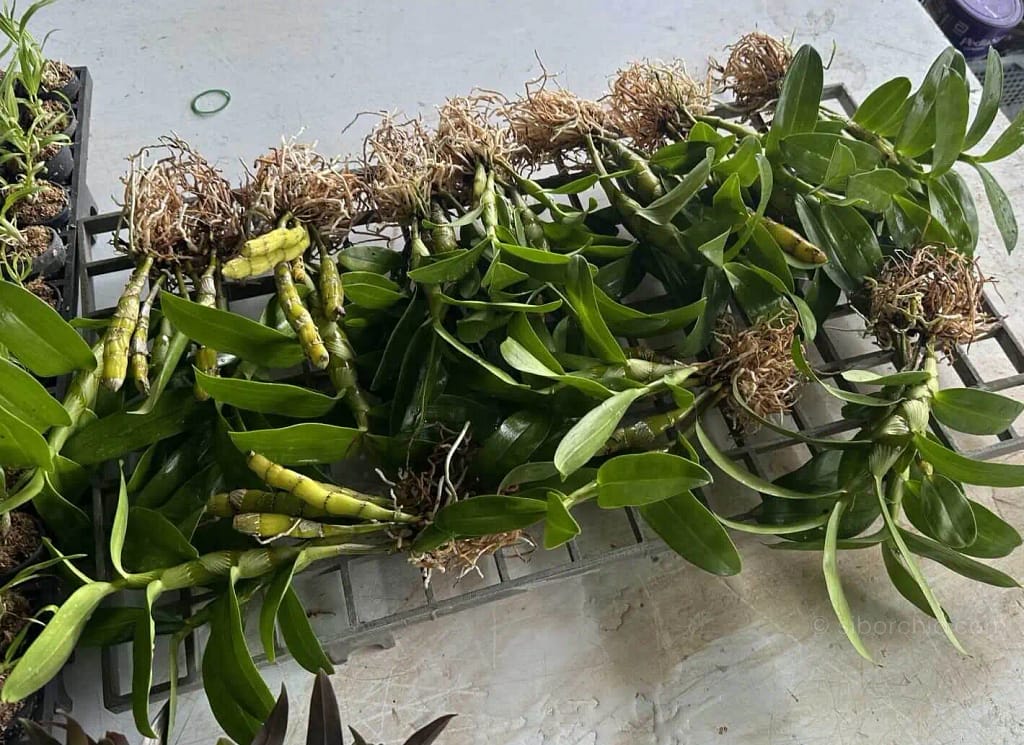
Each orchid is carefully removed from:
- Bark
- Moss
- Charcoal
- Mounts (if applicable)
Roots are handled gently to avoid cracking or tearing, especially for species with fine or brittle roots.
Step 2: Root Cleaning and Washing
- Roots are rinsed thoroughly with clean water
- All media particles are removed by hand
- The plant is inspected for insects, eggs, or fungus
For sensitive orchids, cleaning is done gradually to reduce shock.
Step 3: Clean Treatment and Drying
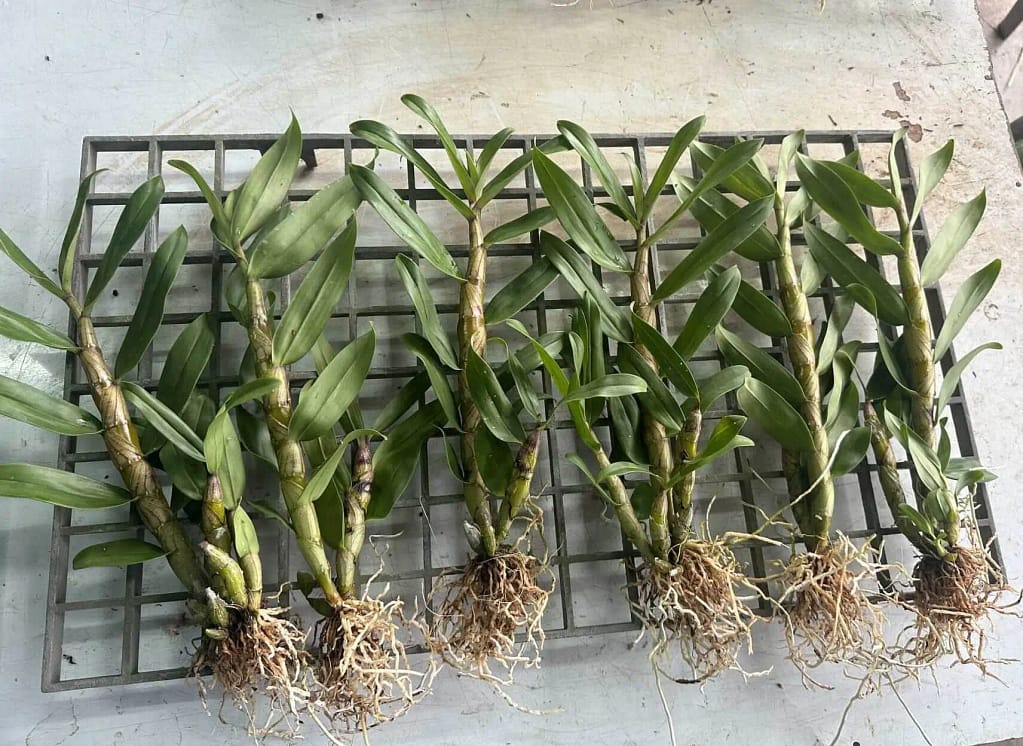
After washing:
- Plants are allowed to air-dry naturally
- No excess water is trapped between leaves or roots
- Moisture control is critical to prevent rot during shipping
Drying time varies depending on orchid type, size, and root thickness.
Step 4: Preparing the Plant for Paper Packing
Once fully dry:
- Leaves are positioned to prevent bending
- Roots are gently aligned (never forced)
- Fragile growth points are protected
At this stage, the orchid is ready for wrapping.
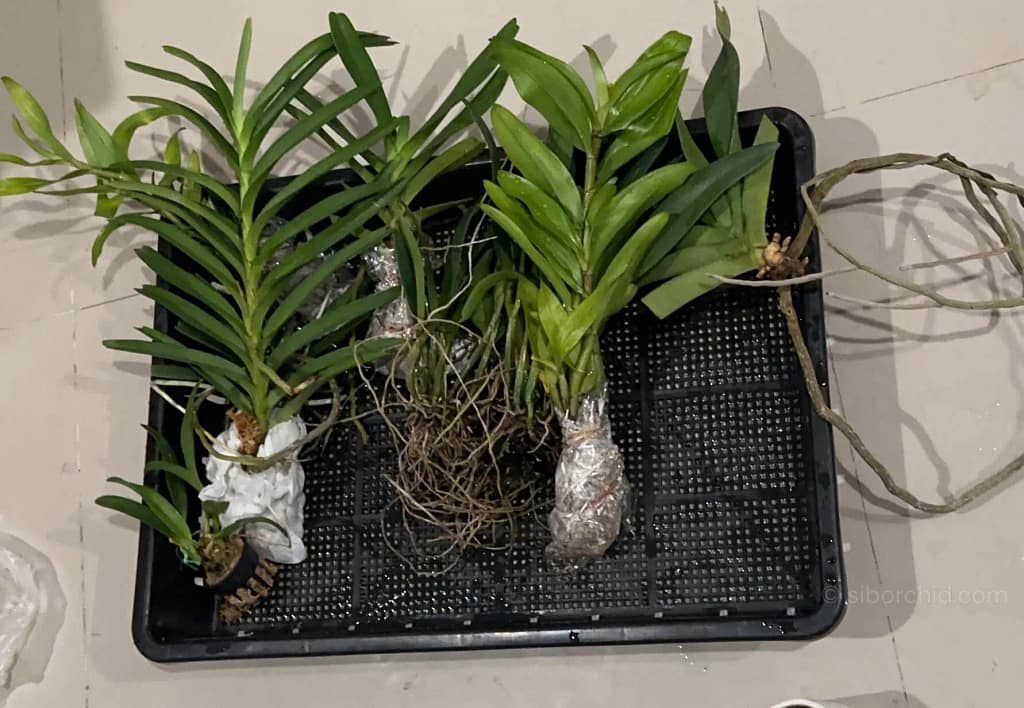
Step 5: Wrapping Orchids with Paper (Bare-Root Packing)

We use clean, breathable paper to:
- Protect roots from physical damage
- Allow airflow during transit
- Absorb minimal humidity if conditions change
Key principles:
- No plastic directly on wet roots
- No tight compression
- Enough structure to hold the plant stable, but flexible enough to prevent pressure damage
Step 6: Group Packing and Box Arrangement

Inside the shipping box:
- Orchids are arranged to prevent movement
- Similar sizes are grouped together
- Empty spaces are buffered with paper, not heavy fillers
This reduces:
- Leaf breakage
- Root abrasion
- Stress during long flights
Step 7: Final Inspection Before Shipping
Before sealing the box:
- Each plant is checked again
- Labels and documents are verified
- Total plant count matches invoices and permits
Only after passing all checks is the shipment sent for inspection and export.
Why We Prefer Paper Packing for Many International Orders
Paper packing is ideal because it:
- Keeps plants dry and breathable
- Reduces fungal risk during long transit
- Meets quarantine and airline requirements
- Is lightweight and plant-friendly
For many destinations, paper-wrapped bare-root orchids arrive healthier and adapt faster after unpacking.
After Arrival: What Customers Should Do

Once orchids arrive:
- Unwrap immediately
- Rinse roots with clean water
- Let the plant rest in a shaded, airy place
- Resume normal care after 1–2 days
This helps orchids recover smoothly from travel.
Our Packing Philosophy
Orchids are living plants, not products to rush.
Every step—from cleaning to paper wrapping—is done with patience and understanding. The goal is simple: send orchids that arrive clean, healthy, and ready to grow again.