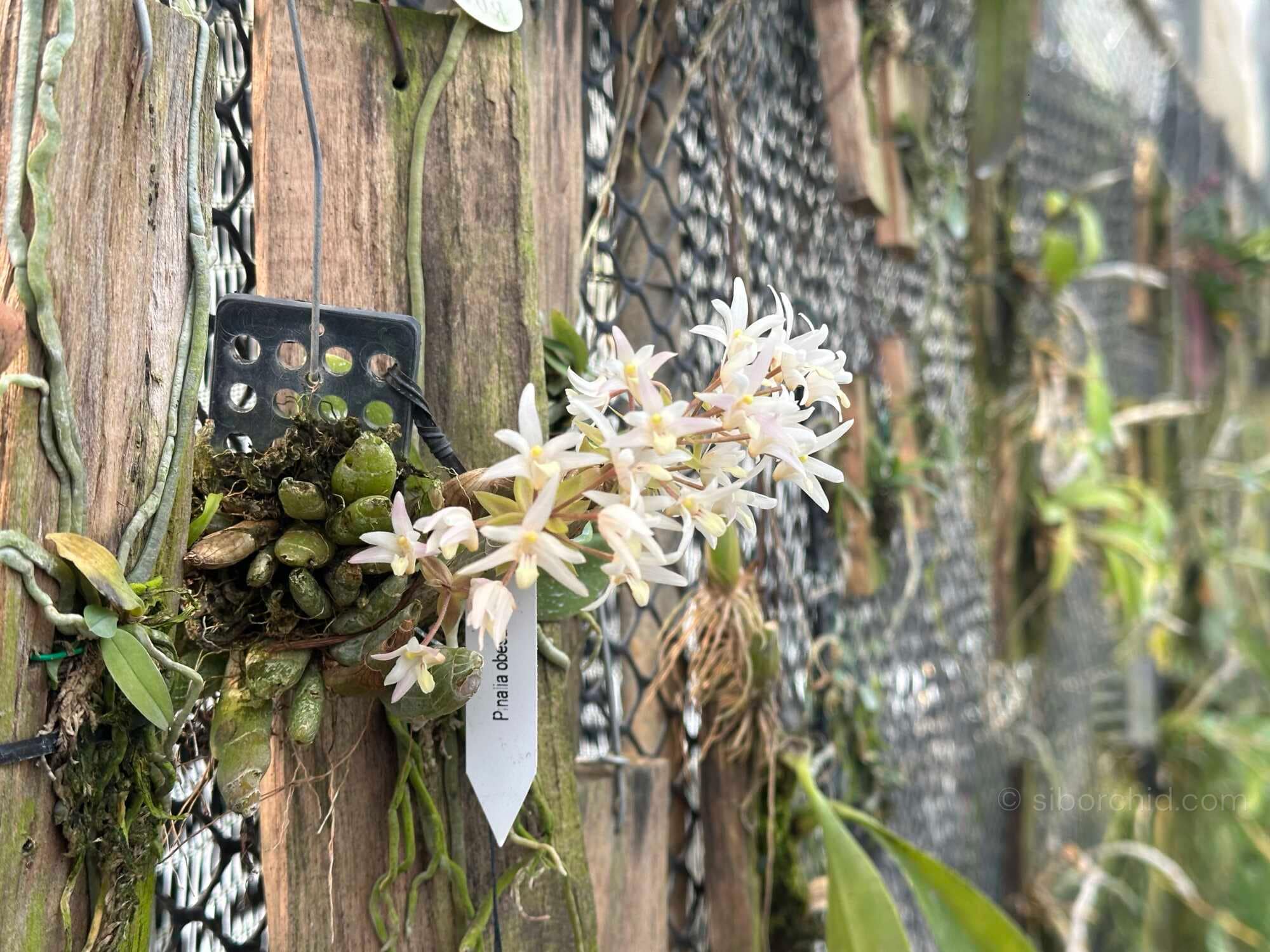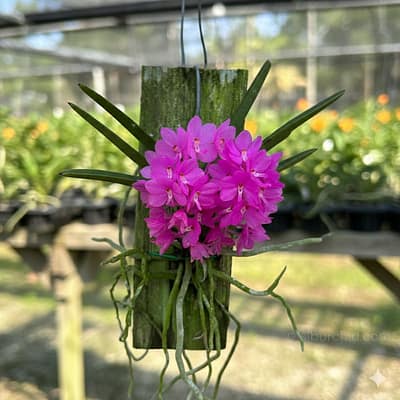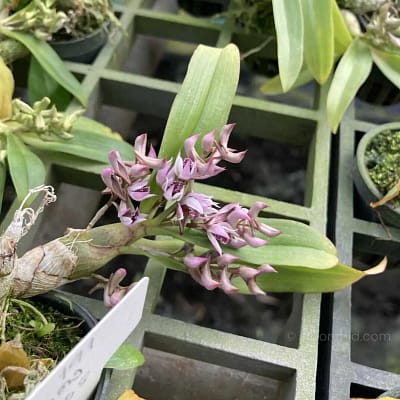
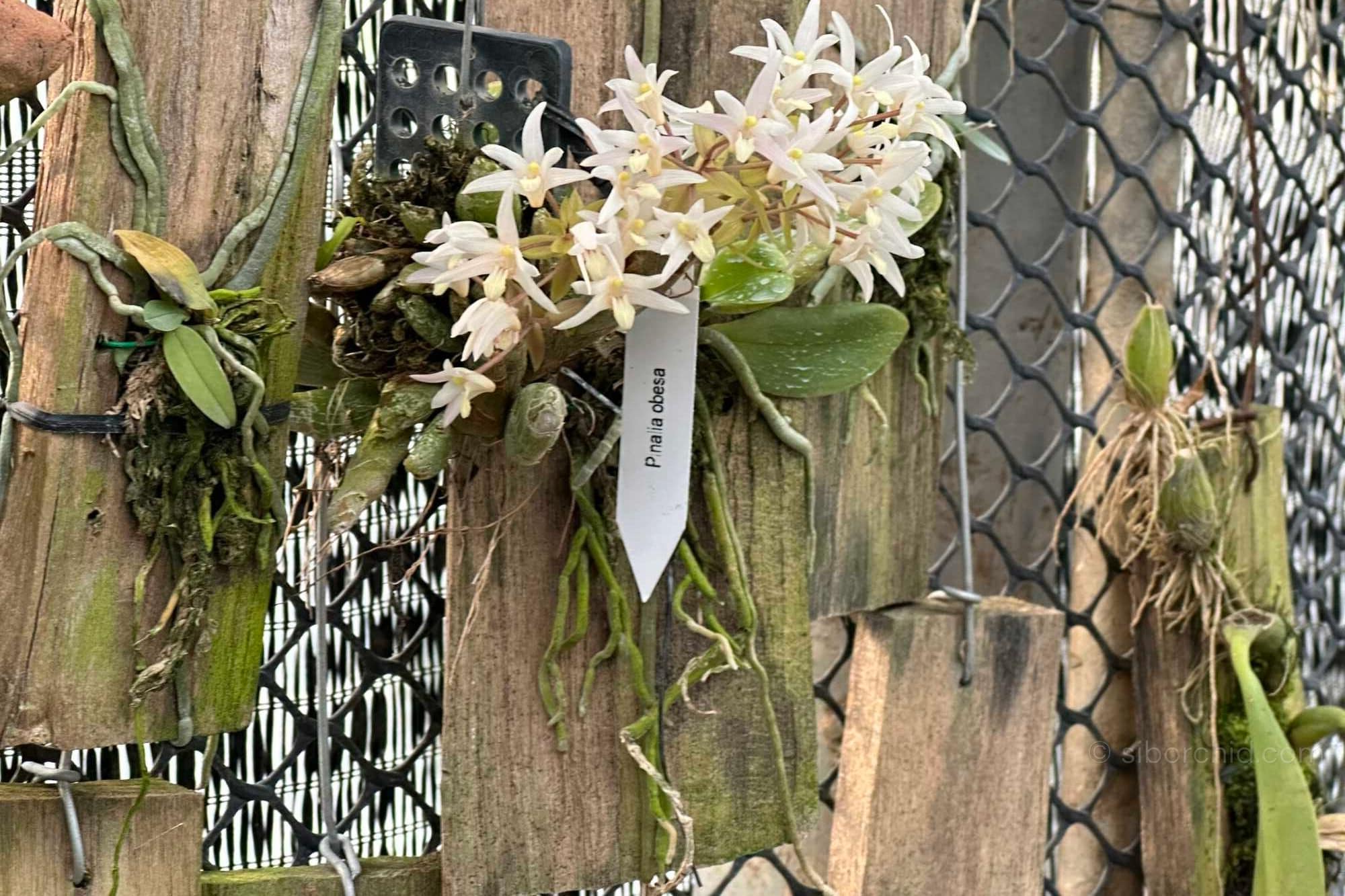
If you are a fan of miniature orchids with unique personalities, Eria obesa (recently reclassified as Pinalia obesa) belongs at the top of your wishlist. Often called the “Fat Eria” due to its remarkably plump, silvery-green pseudobulbs, this species offers a delightful mix of architectural beauty and delicate floral charm.
Native to the tropical forests of Thailand, Myanmar, and India, this epiphyte is a hardy survivor that rewards growers with clusters of creamy white flowers. Whether you are a seasoned collector or a beginner looking for an easy-care orchid, Eria obesa is a standout choice.
Why Every Collector Needs an Eria obesa
Unlike many orchids that rely solely on their flowers for appeal, Eria obesa is a “year-round” beauty.
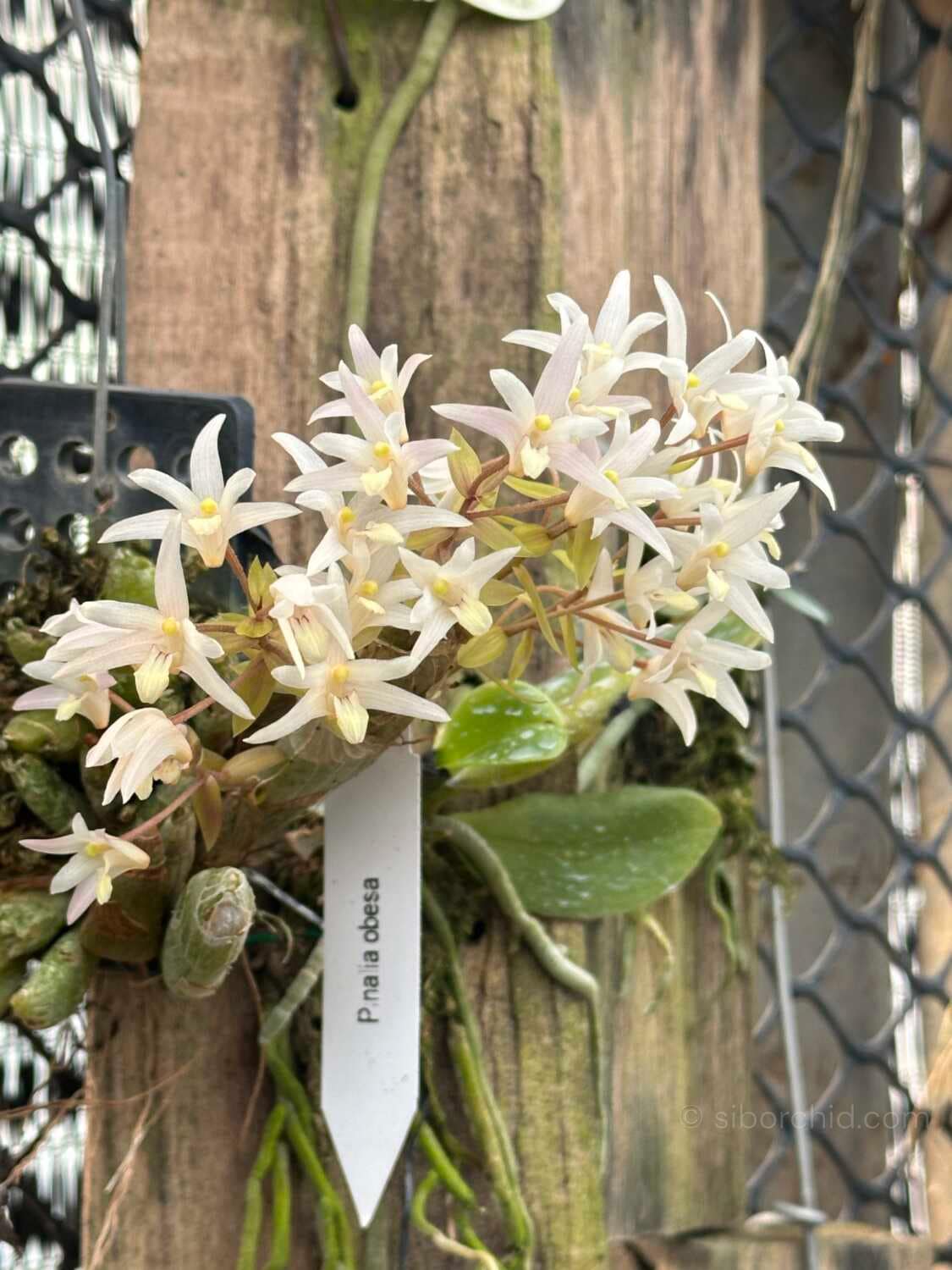
- The Pseudobulbs: The “obesa” in its name refers to the short, stout, and rounded pseudobulbs. These silvery structures store water, making the plant more resilient than thinner-stemmed varieties.
- The Blooms: In late winter to early spring, the plant produces short spikes laden with small, fragrant, star-shaped white or yellowish flowers.
- Deciduous Nature: Interestingly, this orchid often sheds its leaves right before blooming, putting the full focus on its stunning floral display.
Quick Care Guide for Eria obesa
To keep your Eria obesa thriving, you only need to mimic its natural monsoon habitat. Follow these essential tips:
1. Light Requirements
Eria obesa enjoys bright, indirect light. Think of the dappled sunlight of a forest canopy. An east-facing window is usually perfect. If the pseudobulbs turn a deep purple, it may be getting a bit too much sun; if they are dark green and soft, it needs more light.
2. Watering & Humidity
- Active Growth (Summer): Keep the plant consistently moist. Water 2–4 times a week depending on your environment.
- Dormancy (Winter): Once the leaves start to yellow and fall, reduce watering significantly. A light misting every few days is enough until new growth appears.
- Humidity: Aim for 60–80% humidity. If your home is dry, consider using a humidity tray or room humidifier.
3. Temperature
As an intermediate-to-warm grower, it thrives in temperatures between 15°C and 28°C (59°F – 82°F). It appreciates a slight drop in temperature at night to trigger its blooming cycle.
4. Potting or Mounting?
Eria obesa is highly versatile. It looks stunning mounted on driftwood or a cork slab, which mimics its natural growth on tree branches. However, if you prefer pots, use a well-draining mix of fine bark and sphagnum moss.
Why Buy Eria obesa from SibOrchid?
When looking for rare species like the Eria obesa, quality and health are paramount. At SibOrchid, we specialize in Miniature and Compact Orchids that are well-established and ready to bloom in your home.
Pro Tip: If you’re new to the genus, check out our full collection of Eria Species to see the incredible variety this family offers!
Conclusion
The Eria obesa is the perfect “strange” orchid for those who appreciate botanical curiosities. Its ease of care and fascinating growth habit make it a rewarding addition to any terrarium or windowsill collection.
Shop Eria obesa (Blooming Size) here!