
How to Grow Rare Orchids Successfully: A Practical Care Guide for Collectors and Beginners
Orchids are among the most diverse and fascinating flowering plants in the world. From compact miniature species to spectacular large-flowered hybrids, they offer an extraordinary range of colors, fragrances, growth habits, and cultural requirements. For international orchid collectors and plant enthusiasts, learning how orchids grow in nature is the key to cultivating them successfully at home.
At SibOrchid.com, we specialize in rare orchids, species orchids, hybrid orchids, and collector tropical plants. Whether you are growing your first Phalaenopsis or expanding a collection with Cattleya, Dendrobium, Paphiopedilum, Bulbophyllum, or other rare orchid genera, understanding the basics of orchid care will help your plants establish, grow, and bloom reliably.
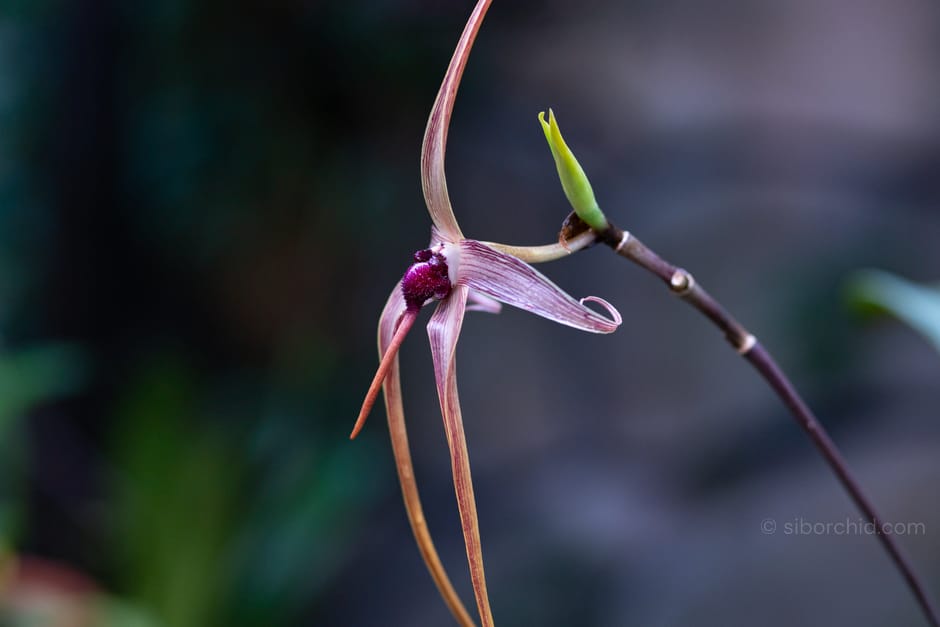
Understanding Orchids: Botanical Characteristics and Natural Habitat
Orchids belong to the family Orchidaceae, one of the largest plant families on Earth. They are found on every continent except Antarctica, with the greatest diversity in tropical and subtropical regions.
Many orchids cultivated by collectors are epiphytes, meaning they naturally grow attached to tree branches rather than in soil. Epiphytic orchids use their roots to anchor themselves and absorb moisture, air, and nutrients from rain, humidity, and organic debris. Common epiphytic genera include:
- Phalaenopsis
- Cattleya
- Vanda
- Oncidium
- Dendrobium
- Bulbophyllum
Other orchids are terrestrial, growing in leaf litter or soil-like substrates. Examples include many Paphiopedilum, Phragmipedium, Cymbidium, and some jewel orchids.
There are also lithophytic orchids, which grow on rocks or cliff faces, often with excellent drainage and high air movement.
Understanding whether an orchid is epiphytic, terrestrial, or lithophytic helps determine the best potting medium, watering schedule, and growing conditions.
Why Habitat Matters in Orchid Care
Successful orchid cultivation begins with observing the plant’s natural environment. Tropical orchids often come from forests where they receive filtered light, regular rainfall, high humidity, and constant air movement. However, not all orchids need the same conditions.
For example:
- Phalaenopsis orchids grow in warm, shaded forest habitats.
- Cattleya orchids often prefer brighter light and a dry period between watering.
- Paphiopedilum orchids usually enjoy lower light and evenly moist roots.
- Vanda orchids need very bright light, high humidity, and excellent airflow.
- Many Dendrobium species require seasonal changes to trigger blooming.
Before buying a rare orchid or species orchid, it is useful to research its native habitat. This is especially important for collector orchids, as some species have specific seasonal needs.

Light Requirements for Orchids
Light is one of the most important factors in orchid care. Too little light may prevent flowering, while too much direct sun can burn leaves.
Low to Medium Light Orchids
These orchids grow best in bright, indirect light:
- Phalaenopsis
- Paphiopedilum
- Jewel orchids such as Ludisia and Macodes
- Some Bulbophyllum species
A suitable position is near an east-facing window or behind a sheer curtain in a brighter exposure.
Medium to Bright Light Orchids
These orchids usually need stronger light to bloom well:
- Cattleya
- Oncidium
- Dendrobium
- Brassavola
- Some Epidendrum species
They often grow well near east, southeast, or lightly shaded south-facing windows.
High Light Orchids
Some orchids require very bright conditions:
- Vanda
- Ascocenda-type hybrids
- Some Cymbidium
- Certain Laelia and Cattleya species
These plants may need strong natural light or supplemental grow lights, especially in northern climates or during winter.

Expert Tip
Leaf color can help indicate light levels. Healthy orchid leaves are usually medium green. Very dark green leaves may mean insufficient light, while yellowish or reddish leaves can indicate light stress. Always adjust light gradually to avoid sunburn.
Watering Orchids Correctly
Overwatering is one of the most common causes of orchid decline. Most orchids prefer a cycle of thorough watering followed by partial drying.
How to Water Epiphytic Orchids
For orchids grown in bark, moss, or mounted culture:
- Water thoroughly until water runs through the pot.
- Allow excess water to drain completely.
- Water again when the medium approaches dryness, depending on the orchid type.
Never allow epiphytic orchids to sit in stagnant water, as this can lead to root rot.
How Often Should You Water Orchids?
Watering frequency depends on:
- Potting medium
- Pot size
- Temperature
- Humidity
- Air movement
- Season
- Plant growth stage
Orchids in bark usually dry faster than orchids in sphagnum moss. Mounted orchids and Vandas in baskets may need daily watering in warm conditions.
Expert Tip
Instead of watering on a strict schedule, check the roots and potting medium. Silvery roots usually indicate dryness, while green roots are hydrated. A lightweight pot is another sign the plant may need water.

Humidity and Air Circulation
Many tropical orchids grow best with humidity between 50% and 80%. However, high humidity must be balanced with good air movement. Still, damp air can encourage fungal and bacterial problems.
Ways to Improve Humidity
- Use a humidity tray with water and stones.
- Group plants together.
- Use a room humidifier.
- Grow orchids in a greenhouse, cabinet, or terrarium when appropriate.
Importance of Air Movement
Air circulation helps prevent disease and supports healthy root growth. A small fan can be helpful, especially in indoor orchid collections. The goal is gentle airflow, not a strong draft directly on the plants.
Expert Tip
If you increase humidity, also increase ventilation. Many rare orchids appreciate moisture in the air, but their leaves and crowns should not remain wet for long periods.
Temperature Requirements for Orchids
Orchids are often grouped into warm-growing, intermediate-growing, and cool-growing categories.
Warm-Growing Orchids
Ideal range: approximately 20–30°C during the day, with nights above 16–18°C.
Examples:
- Phalaenopsis
- Vanda
- Many tropical Dendrobium species
- Some Bulbophyllum
Intermediate-Growing Orchids
Ideal range: approximately 18–26°C during the day, with nights around 13–18°C.
Examples:
- Many Cattleya hybrids
- Oncidium hybrids
- Some Paphiopedilum
- Miltoniopsis-type orchids, depending on conditions
Cool-Growing Orchids
Ideal range: approximately 12–22°C, often with cooler nights.
Examples:
- Many Masdevallia
- Dracula
- Some Cymbidium
- Certain high-elevation species orchids
Expert Tip
A difference between day and night temperatures can help stimulate flowering in many orchids. For example, Phalaenopsis often bloom after several weeks of slightly cooler nights.

Choosing the Right Orchid Potting Medium
Because many orchids do not grow in ordinary soil, potting medium is essential for root health. The best medium depends on the orchid’s root type and moisture preference.
Common Orchid Potting Materials
- Fir bark or pine bark: Good drainage and airflow.
- Sphagnum moss: Holds moisture well, useful for young plants and moisture-loving orchids.
- Perlite: Improves aeration.
- Charcoal: Helps keep the mix open and fresh.
- Coconut husk chips: Retains moisture while providing structure.
- LECA or semi-hydro media: Used by some growers for specific cultivation systems.
Potting Mix by Orchid Type
- Phalaenopsis: Medium bark mix or sphagnum moss with careful watering.
- Cattleya: Coarse bark with excellent drainage.
- Paphiopedilum: Fine to medium mix that stays lightly moist.
- Vanda: Basket culture, coarse media, or bare-root growing with frequent watering.
- Bulbophyllum: Often appreciates moisture-retentive media and higher humidity.
Expert Tip
Repot orchids when the medium breaks down, roots outgrow the pot, or the plant shows signs of root decline. Most orchids benefit from repotting every 1–2 years, depending on the media used.
Fertilizing Orchids for Healthy Growth and Flowering
Orchids need nutrients, but they are generally light feeders. A balanced orchid fertilizer can support root development, leaf growth, and blooming.
Basic Fertilizer Guidelines
- Use a diluted fertilizer, usually 1/4 to 1/2 of the recommended strength.
- Fertilize during active growth.
- Reduce fertilizer during rest periods or winter slowdown.
- Flush the potting medium with clean water regularly to prevent salt buildup.
A common approach is “weakly, weekly,” meaning a weak fertilizer solution applied regularly during growth.
Expert Tip
Always water the roots before applying fertilizer if the plant is very dry. Fertilizing dry roots can cause stress or damage.

Seasonal Orchid Care
Many orchids respond to seasonal changes. Understanding these cycles is especially important for species orchids and rare orchids.
Active Growth Period
During active growth, orchids may produce new leaves, roots, and pseudobulbs. This is the best time for:
- Regular watering
- Light fertilization
- Repotting when new roots begin
- Gradual light adjustment
Rest Period
Some orchids, especially certain Dendrobium and Catasetum-type orchids, need a drier or cooler rest period to bloom. During this time, watering and fertilizing may need to be reduced significantly.
Expert Tip
Do not treat every orchid the same during winter. Some tropical orchids continue growing, while others require a distinct seasonal rest. Researching the species or hybrid background is essential.
Common Orchid Care Problems and Solutions
Yellow Leaves
Possible causes:
- Natural aging of old leaves
- Too much direct sun
- Overwatering
- Nutrient imbalance
- Cold stress
Check the newest leaves and roots to understand whether the plant is healthy overall.
Wrinkled Leaves or Pseudobulbs
Possible causes:
- Underwatering
- Root loss from overwatering
- Excessive heat or low humidity
Inspect the roots before increasing water. A plant with damaged roots cannot absorb moisture properly.
Root Rot
Root rot usually occurs when the potting medium stays too wet or has broken down. Healthy roots are firm, green or white, and active root tips are often bright green or reddish. Rotten roots are brown, black, mushy, or hollow.
Failure to Bloom
Common reasons include:
- Insufficient light
- Lack of temperature difference
- Immature plant
- Incorrect seasonal care
- Too much nitrogen fertilizer
Improving light and understanding the plant’s natural blooming cycle often helps.

Special Advice for Rare Orchid Collectors
Rare orchids and species orchids can be highly rewarding, but they may require more precise care than common hybrids. When adding a new collector orchid to your growing space, consider the following:
Acclimate New Plants Gradually
International shipping and environmental changes can stress orchids. After arrival, give the plant stable conditions with moderate light, good humidity, and careful watering. Avoid heavy fertilizing immediately.
Learn the Species’ Background
For species orchids, research elevation, climate, rainfall patterns, and growth habit. A high-elevation orchid from cloud forests will not enjoy the same conditions as a lowland tropical species.
Observe Before Changing Conditions
New growers often adjust too many variables at once. If a plant is not thriving, evaluate one factor at a time: light, water, humidity, temperature, or potting medium.
Prioritize Root Health
Healthy roots are the foundation of successful orchid cultivation. Choose breathable media, avoid stagnant water, and repot when the mix begins to decompose.
Best Orchids for Beginners and Collectors
If you are new to orchid growing, start with adaptable orchids before moving into more demanding rare species.
Beginner-Friendly Orchids
- Phalaenopsis hybrids
- Cattleya hybrids
- Oncidium hybrids
- Dendrobium hybrids
- Paphiopedilum hybrids
Collector Orchids to Explore
- Species Phalaenopsis
- Compact Cattleya species and hybrids
- Bulbophyllum species
- Jewel orchids
- Miniature orchids
- Fragrant orchids
- Rare Dendrobium species
- Unusual Paphiopedilum and Phragmipedium species
SibOrchid.com offers a selection of rare orchids, hybrid orchids, species orchids, and tropical collector plants suitable for different experience levels and growing environments.

Final Thoughts: Growing Orchids with Confidence
Orchid care becomes much easier when you understand how these plants grow in nature. Light, watering, humidity, temperature, airflow, and potting medium all work together. There is no single perfect care routine for every orchid, but careful observation and gradual adjustments will help you build a healthy and successful collection.
Whether you are a beginner looking for your first orchid or an experienced collector searching for rare species orchids and tropical plants, choosing the right plant for your conditions is the first step toward long-term success.
Explore SibOrchid.com to discover rare orchids, hybrid orchids, species orchids, and collector plants for orchid enthusiasts around the world.