How to Control Common Orchid Pests and Diseases.
Growing orchids is one of the most rewarding hobbies for plant lovers. However, many growers face the same challenge — orchid pests and diseases. If left untreated, these problems can weaken your plants, prevent blooms, or even kill them.
This guide covers the most common orchid pests and simple, effective ways to control them. It also includes common orchid diseases and prevention tips for healthy, blooming plants.
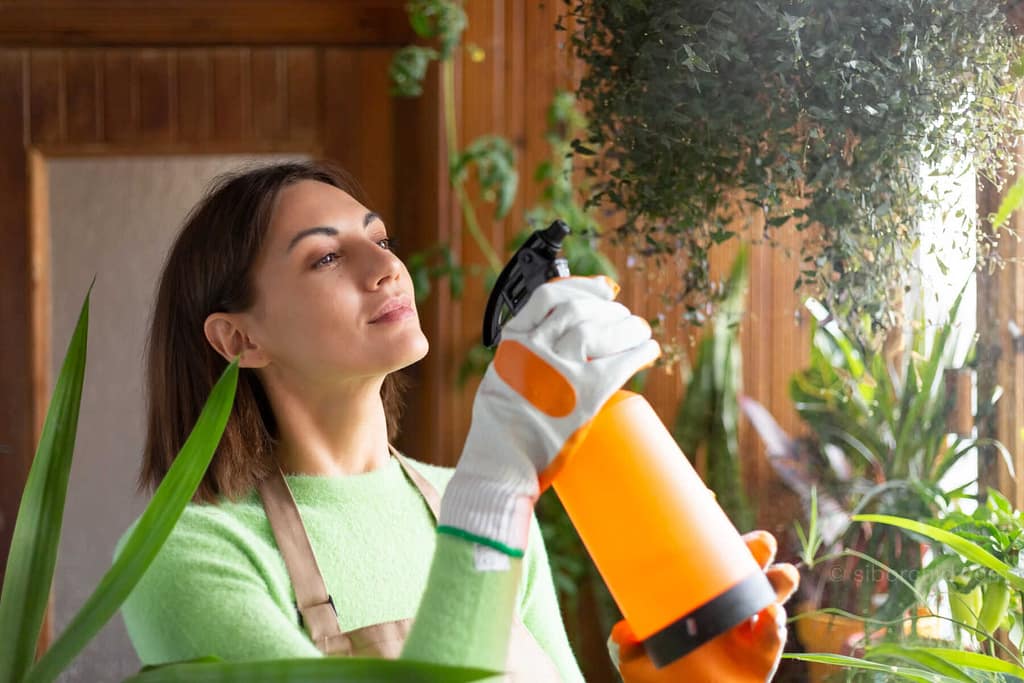
Mealybugs
- Description: Small, white insects with a cotton-like or powdery coating. Usually found on leaves, roots, and stems.
- Damage: Suck sap from leaves and roots, causing yellowing and stunted growth.
- Control: Wipe off with a cotton swab dipped in alcohol or mild soapy water. For heavy infestations, use insecticidal soap and repeat every 7–10 days.
Aphids
- Description: Tiny green, black, or brown insects that cluster on flower buds and young shoots.
- Damage: Cause distorted flowers and can transmit orchid viruses.
- Control: Spray with a strong stream of water to knock them off or apply insecticidal soap.
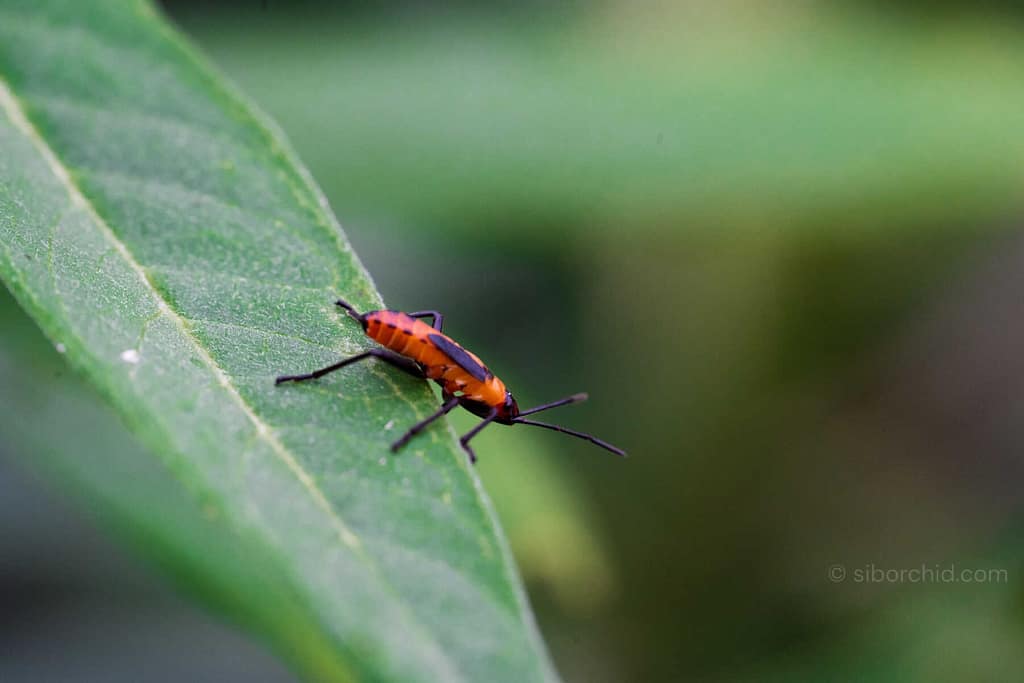
Spider Mites
- Description: Tiny red or brown specks found under leaves, often leaving fine webbing.
- Damage: Leaves turn yellow, dry out, and drop prematurely.
- Control: Increase humidity (mites thrive in dry conditions). Wipe leaves regularly and spray with neem oil or horticultural oil.
Snails and Slugs
- Description: Usually active at night, hiding in pots or damp areas during the day.
- Damage: Chew on new growth, leaves, and flowers.
- Control: Handpick at night, use traps, or apply organic slug bait.
Scale Insects
- Description: Small, immobile pests with hard brown or black shells attached to leaves and stems.
- Damage: Suck plant sap, weaken orchids, and promote sooty mold.
- Control: Remove manually with alcohol-soaked cotton swabs or apply neem oil.
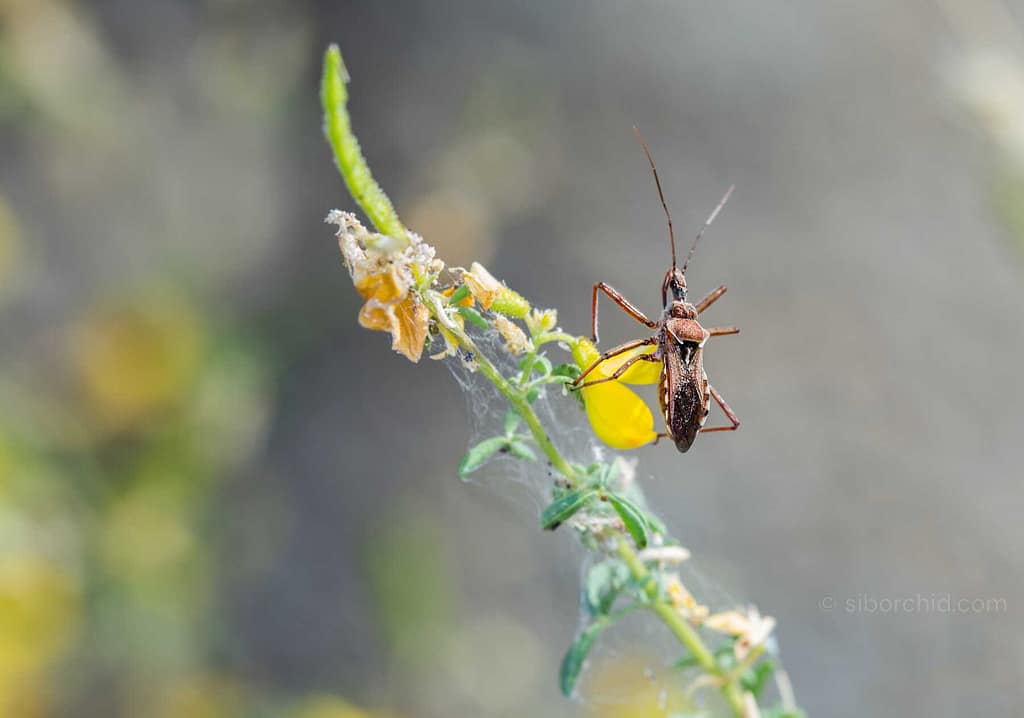
Whiteflies
- Description: Tiny white flying insects that scatter when you shake the plant.
- Damage: Feed on plant sap, causing yellow leaves and sticky residue that leads to fungal growth.
- Control: Use yellow sticky traps to monitor and reduce populations. Spray with insecticidal soap.
Caterpillars
- Description: Green or brown larvae of moths and butterflies that chew leaves and flowers.
- Damage: Create holes in leaves and ruin flower spikes.
- Control: Handpick caterpillars or use Bacillus thuringiensis (BT), a safe biological control.
Common Orchid Diseases
Besides pests, orchids can also suffer from fungal, bacterial, and viral diseases.
- Root Rot – Caused by overwatering and poor drainage. Roots become mushy and black.
- Solution: Repot into fresh, well-draining media and reduce watering.
- Leaf Spot – Brown or black spots on leaves due to fungal or bacterial infections.
- Solution: Remove infected leaves and treat with a fungicide.
- Orchid Viruses – Leaves show streaks or mosaic patterns, flowers appear deformed.
- Solution: No cure available. Isolate or discard infected plants to protect the rest.
Conclusion
Keeping orchids healthy they requires regular inspection and early pest management. By using natural methods like insecticidal soap, neem oil, or biological controls, you can minimize chemical use and maintain strong, blooming orchids.
With consistent care, monitoring, and the right environment, your orchids will thrive and reward you with beautiful flowers year after year.
Ready to take your plants to the next level? Find what you need at siborchid.com