Understanding Orchid Blooming Cycles – Why Orchids Don’t Flower at the Same Time
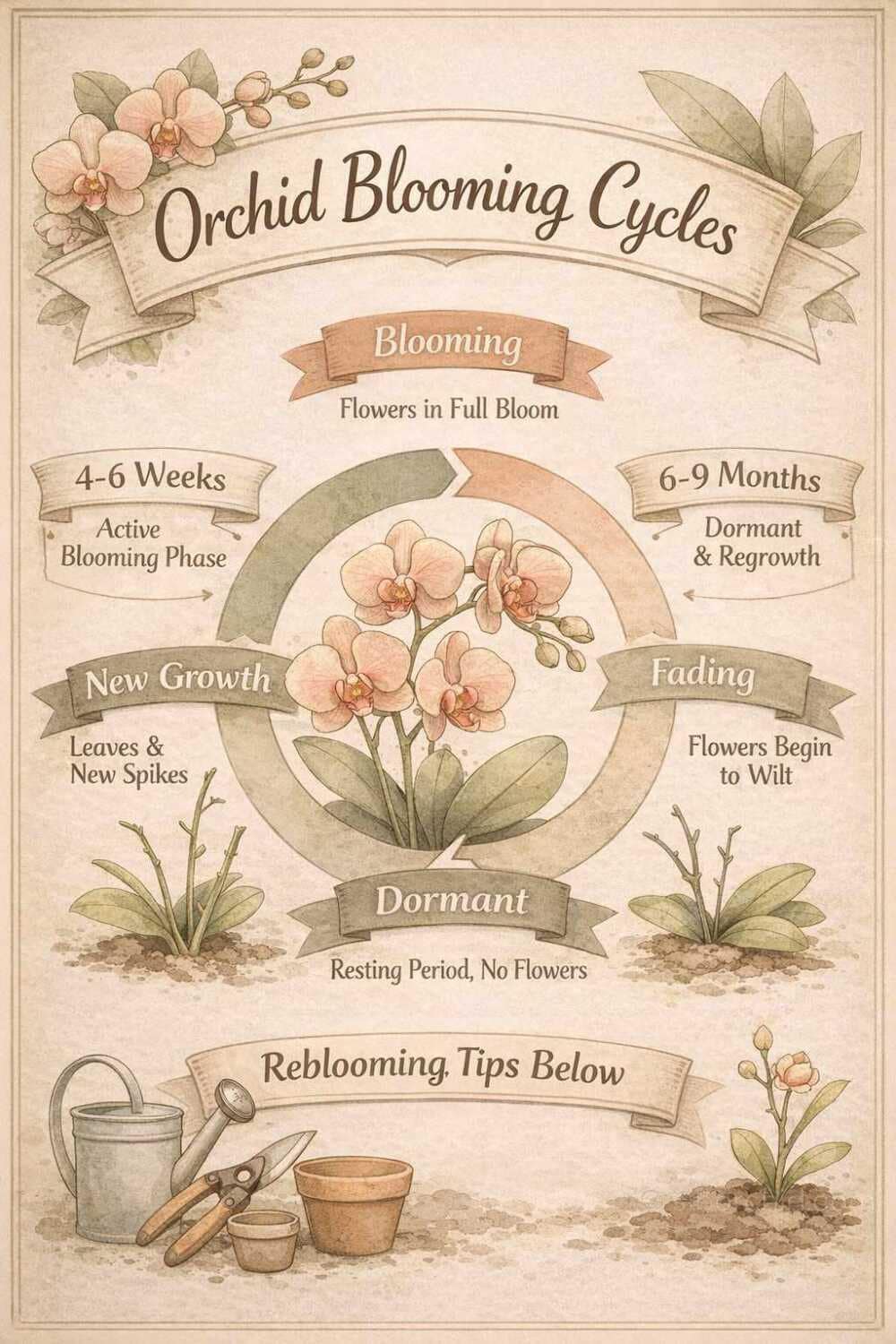
Orchids are often admired for their flowers, yet few plants are misunderstood as deeply.
Many growers expect orchids to bloom regularly, predictably, or on command.
In reality, orchids follow their own rhythm — guided not by human schedules, but by seasonal signals, biological readiness, and time.
At SibOrchid, we believe that understanding blooming cycles is the foundation of meaningful orchid cultivation.
Flowers are not an endpoint. They are a response.
This guide explores why orchids bloom at different times, how seasonal cycles influence flowering, and why patience matters more than stimulation.
Why Orchids Do Not Follow a Universal Flowering Calendar
Unlike annual plants, orchids are long-lived perennials.
Each species evolved in specific ecological conditions — responding to subtle changes in temperature, rainfall, light, and rest periods.
Even orchids grown in the same greenhouse may flower months apart.
Key reasons include:
- Species-specific seasonal cues
- Differences in plant maturity and energy storage
- Climate history from the previous growing season
- Environmental transitions rather than stable conditions
This is why no single fertilizer schedule, temperature setting, or calendar date can guarantee blooms.
Seasonal Signals That Trigger Orchid Flowering
Temperature Change
For many orchids, especially those from Southeast Asia, cooler night temperatures act as a primary flowering signal.
The transition matters more than absolute cold.
A gradual shift from warm to cooler nights often initiates spike or bud formation.
This is why winter-blooming orchids are strongly associated with cool seasons rather than winter itself.
For deeper insight into this group, see:
→ Winter-Blooming Orchids from Thailand
https://siborchid.com/winter-blooming-orchids-from-thailand/
Light Duration and Intensity
Changes in day length influence hormone activity within orchids.
Shorter days combined with stable light intensity often act as a seasonal marker.
Not all orchids need high light to flower — but most require consistent, seasonally appropriate exposure.
Rainfall and Dry Rest
In nature, many orchids experience distinct wet and dry cycles.
Flowering may occur:
- At the end of a rainy season
- After a dry resting period
- When moisture returns following rest
This is common among Dendrobium, Bulbophyllum, and many miniature epiphytes.
Seasonal Bloomers vs Opportunistic Bloomers
Not all orchids wait for seasons.
Seasonal Bloomers
These species rely on environmental transitions to flower.
Examples include:
- Many Dendrobium nobile-type orchids
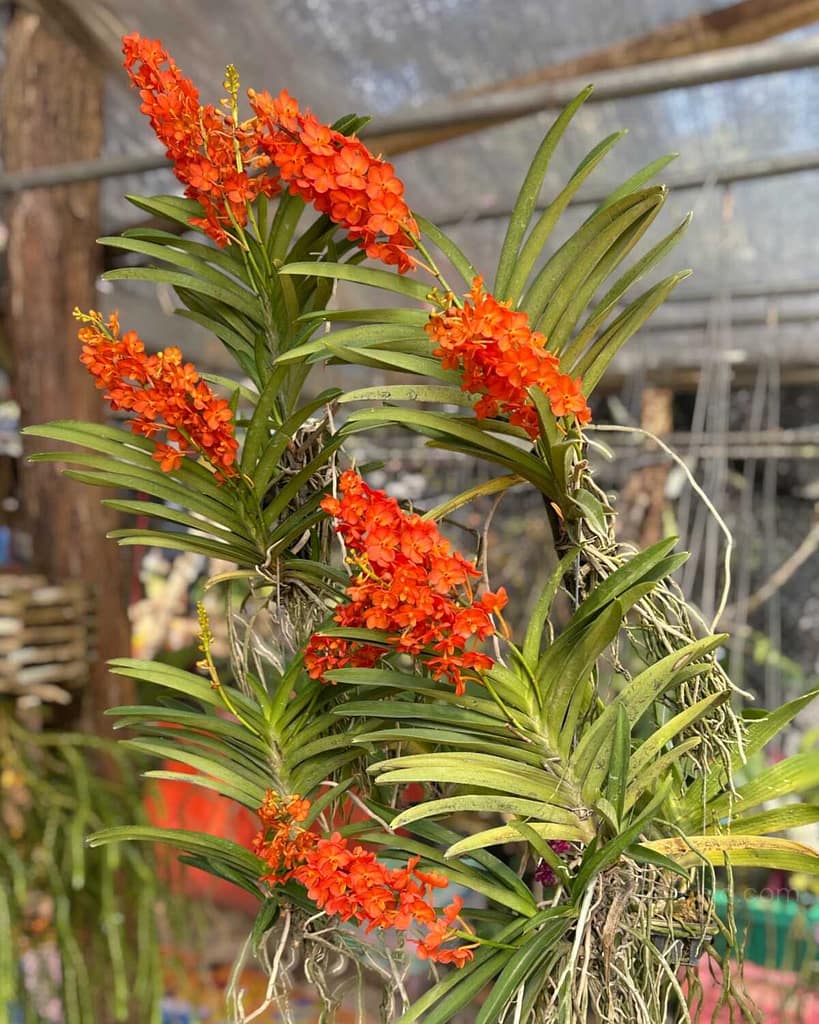
- Rhynchostylis gigantea
- Certain Bulbophyllum species
Without seasonal cues, these plants may remain healthy yet flowerless.
Opportunistic Bloomers
Some orchids bloom when conditions are favorable, regardless of season.
These often:
- Bloom multiple times a year
- Respond quickly to light or nutrition improvements
- Require strong vegetative growth before flowering
However, “opportunistic” does not mean predictable. Timing still varies by individual plant.
Blooming Size vs Flowering Readiness
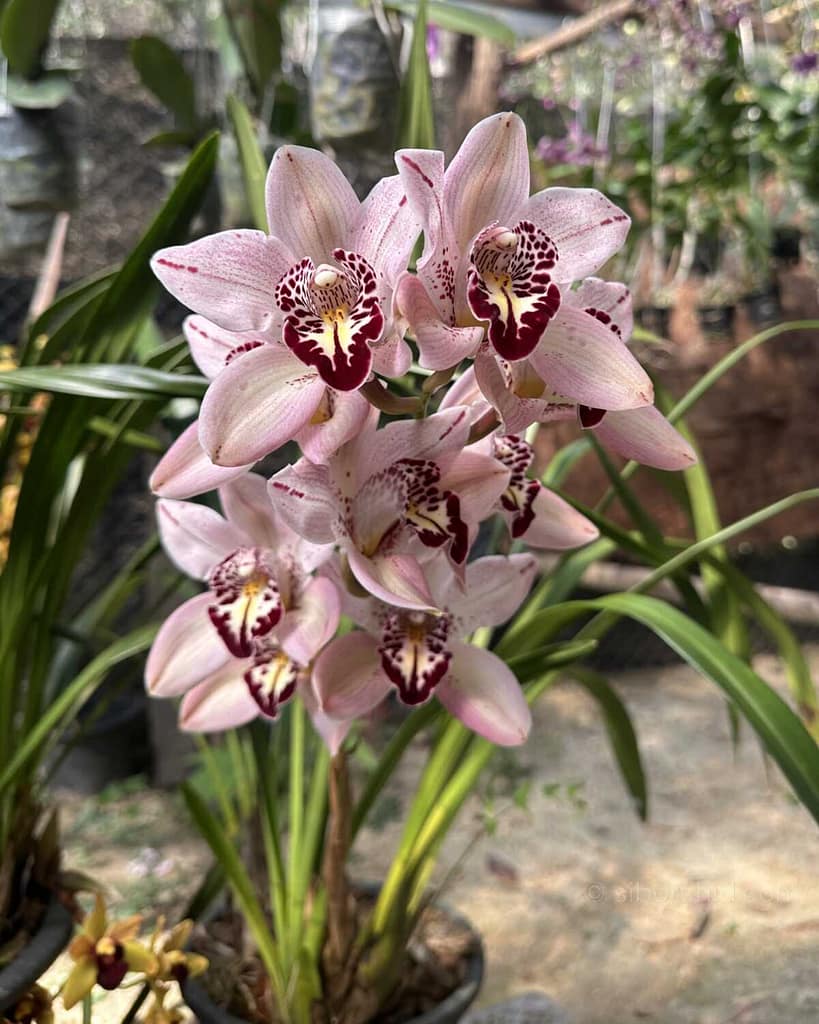
One of the most common misunderstandings in orchid cultivation is the term “blooming size.”
Blooming size means:
- The plant is biologically capable of flowering
- It has sufficient structure and maturity
Blooming size does not guarantee:
- Immediate flowering
- Flowering in the current season
- Flowering without completing a cycle
A blooming-size orchid may still need:
- One full seasonal transition
- Energy accumulation
- Root stabilization after repotting or shipping
This concept is essential for long-term success and realistic expectations.
Related reading:
→ Orchid Care Guides
https://siborchid.com/orchid-blog-care-guides/
Energy Storage: The Silent Foundation of Flowers
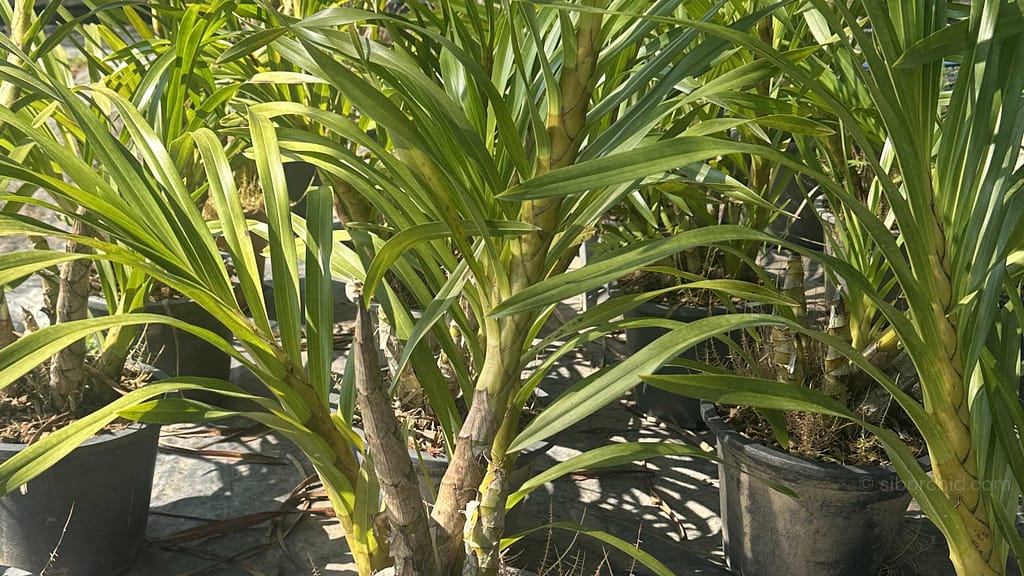
Orchids do not bloom from growth alone.
They bloom from stored energy.
Energy is accumulated through:
- Healthy leaves and roots
- Proper nutrition over time
- Consistent photosynthesis
- Minimal stress
For sympodial orchids, this energy is stored in:
- Pseudobulbs
- Canes
- Thickened stems
For monopodial orchids:
- Leaf mass and root vigor
When energy reserves are insufficient, orchids may prioritize survival over reproduction.
Why Forcing Blooms Often Fails
Common bloom-forcing practices include:
- Excessive fertilizer
- Sudden temperature shock
- Artificial hormone stimulation
While these methods may induce flowers temporarily, they often weaken the plant long-term.
At Sib Orchid, we do not force flowers.
We observe plants through multiple seasons before offering them — allowing blooms to occur when the plant decides, not when demanded.
This philosophy aligns with our broader approach to plant quality and sustainability.
→ Sustainability at SibOrchid
https://siborchid.com/home/about-us/sustainability-at-sib-orchid/
Shipping, Stress, and Bloom Timing
Shipping introduces unavoidable stress:
- Root disturbance
- Environmental change
- Temporary dehydration
Even mature orchids may delay flowering after transport.
This is not failure.
It is adjustment.
Once stabilized, many orchids resume their natural cycle — sometimes stronger than before.
This is why immediate flowering after purchase should never be the expectation.
Understanding Winter-Blooming Orchids in Context
Winter-blooming orchids are not defined by cold.
They are defined by response to cooling trends.
These plants often:
- Prepare flower spikes in late autumn
- Bloom during cooler, drier months
- Rest as temperatures rise
For species examples and seasonal behavior, see:
→ Winter-Blooming Orchids from Thailand
https://siborchid.com/winter-blooming-orchids-from-thailand/
What We Observe at SibOrchid
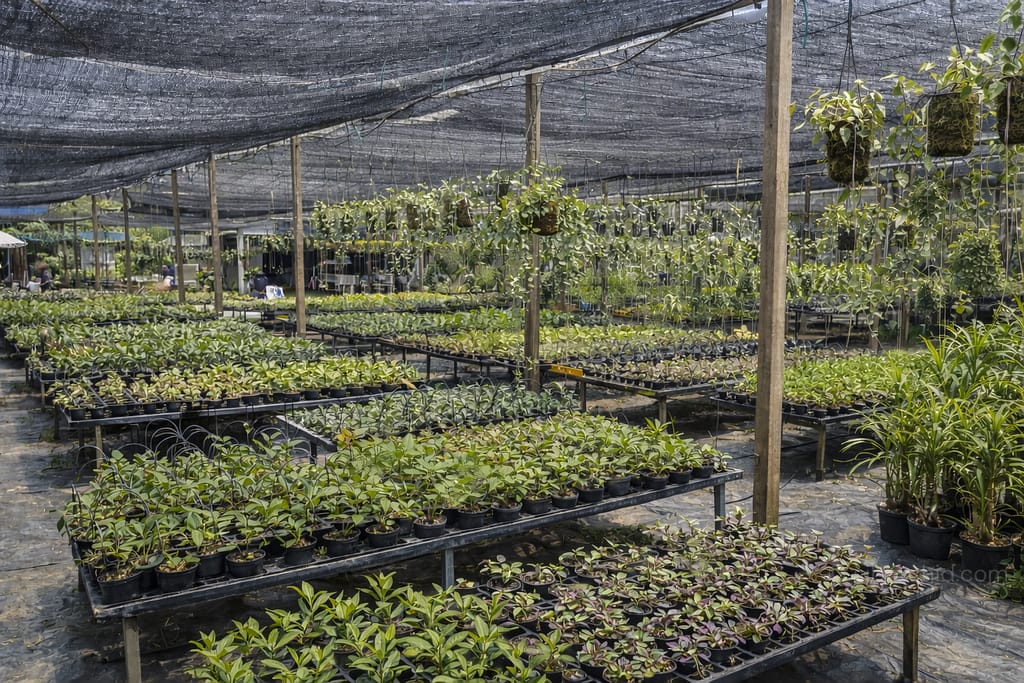
At SibOrchid, flowering is observed observed — not scheduled.
Our approach includes:
- Allowing plants to complete natural growth cycles
- Evaluating root systems and storage strength
- Avoiding forced blooms for visual appeal
We believe quality begins before flowers appear.
When orchids bloom under their own timing, they are:
- More resilient
- More stable
- Better prepared for life beyond the nursery
This belief guides how we grow, select, and ship every plant.
Learn more about our philosophy:
→ About SibOrchid
https://siborchid.com/home/about-us/
Practical Guidance for Growers
To support natural blooming cycles:
- Observe seasonal changes rather than fixed schedules
- Reduce watering slightly during cooler or resting periods
- Avoid heavy fertilization when spikes are forming
- Maintain airflow and root health
- Accept variability as part of cultivation
Understanding replaces expectation.
Frequently Asked Questions
How long does it take for orchids to rebloom?
Depending on species, anywhere from a few months to over a year. Some orchids require full seasonal cycles between blooms.
Can orchids bloom outside their usual season?
Yes. Especially in controlled environments. However, off-season blooms may be less consistent or shorter-lived.
Does repotting delay flowering?
Often yes. Repotting redirects energy toward root recovery before flowering.
Should I increase fertilizer to trigger blooms?
No. Excess nutrition often leads to leaf growth without flowers.
Growing with Time, Not Deadlines
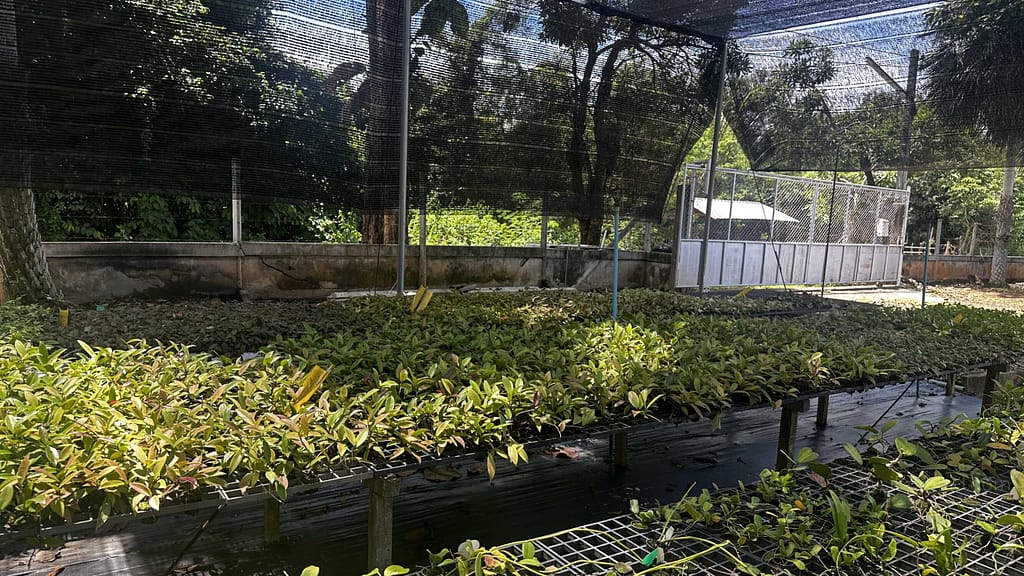
Orchids are not decorative objects.
They are living systems shaped by adaptation and time.
When we understand blooming cycles, frustration fades — and cultivation becomes observation rather than control.
Sib Orchid, we grow orchids with patience.
We invite growers to do the same.