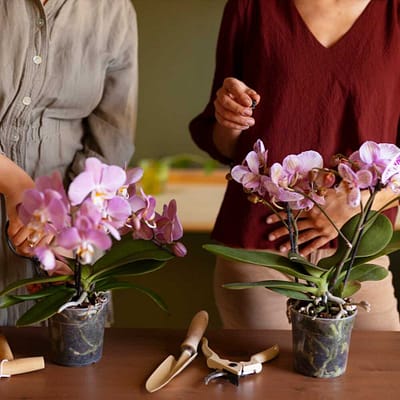
The Ultimate Hobbyist’s Guide to Growing Your Own Vanilla: From Cutting to Kitchen

Have you ever opened a jar of premium vanilla bean paste, caught that intoxicating aroma, and thought, “I wonder if I could grow this?”
Most people see vanilla as a baking staple found in a bottle. But for the plant lover, Vanilla Planifolia represents the “Holy Grail” of the indoor garden. It is a stunning, climbing orchid that produces the world’s most beloved flavor.
Growing vanilla as a hobby is a test of patience, a lesson in botany, and—eventually—the most rewarding harvest you will ever experience. In this guide, we’ll explore how to start your vanilla journey with a simple cutting and turn your home into a tropical oasis.
1. Why Vanilla Planifolia is the Ultimate Hobby Plant
Vanilla isn’t just a spice; it’s an orchid. Specifically, it is a vining orchid native to the tropical forests of Mexico and Central America.
The “Bragging Rights” Factor
Let’s be honest: anyone can grow a Monstera or a Pothos. But successfully flowering a vanilla orchid and hand-pollinating it to produce a bean? That puts you in the elite tier of home gardeners.
A Stunning Aesthetic
Even before it produces pods, the Vanilla Planifolia is a gorgeous ornamental plant. Its thick, succulent-like green leaves and graceful climbing habit make it a centerpiece in any bright room or greenhouse.
The Scent of Success
While the flowers only bloom for one day, their delicate, slightly sweet fragrance is legendary. And once you cure your own beans, the scent in your kitchen will be incomparable to anything bought in a store.
2. Why Start with Cuttings? (The Secret to Success)

If you search for vanilla seeds online, you’ll find them. Do not buy them. Vanilla seeds are microscopic and nearly impossible to germinate without a laboratory setup and specialized agar. Even if they do sprout, it could take 10–15 years to see a flower.
Cuttings are the hobbyist’s shortcut. * Genetic Certainty: A cutting is a clone of a mature, fruit-bearing mother plant.
- Speed to Harvest: A 60cm–100cm cutting has the “momentum” to begin flowering in 3–5 years rather than a decade.
- Resilience: Cuttings are much hardier than fragile seedlings, making them perfect for those new to orchids.
Pro Tip: When buying cuttings, look for “Top Cuttings.” These are the active growing tips of the vine and usually establish much faster than middle-section cuttings.
3. Creating a “Tropical Microclimate” at Home
You don’t need a commercial greenhouse to grow vanilla, but you do need to understand the “Three Pillars of Vanilla Care.”

A. Light: The “Goldilocks” Zone
Vanilla orchids love light, but they hate being scorched.
- Indoor: A bright South or West-facing window with a sheer curtain is perfect.
- Outdoor: Dappled shade under a tree or a porch with 50-70% shade cloth.
- Sign of trouble: If the leaves turn yellow/white, it’s too much sun. If the vine is spindly and dark green with no growth, it needs more light.
B. Temperature: Keep it Toasty
Vanilla is a tropical plant. It thrives between 21°C and 30°C (70°F – 85°F).
- The Rule: If you are comfortable in a T-shirt, your vanilla plant is likely happy.
- Warning: Keep it away from AC vents and cold drafts. If temperatures drop below 10°C (50°F), the plant may suffer permanent damage.
C. Humidity: The Secret Sauce
This is where most hobbyists struggle. Vanilla orchids absorb moisture through aerial roots (the little white “fingers” that grow out of the stem).
- Hobbyist Fix: Use a pebble tray with water under the pot, or a small room humidifier.
- Misting: Get into the habit of misting your plant every morning. It’s a therapeutic ritual for you and a lifeline for the orchid.
4. Setting Up Your Vanilla “Home”
Before your cutting arrives, you need to prepare its environment.
The Pot and “Soil”
Vanilla is semi-epiphytic. It wants to climb, but it also likes its base roots to be in a loose, airy medium.
- The Mix: 50% Orchid Bark (or coconut husk chips) + 25% Perlite + 25% Peat Moss or high-quality potting soil.
- The Pot: A medium-sized clay or plastic pot with excellent drainage holes.
The Support (The Trellis)
Your vanilla cutting is a climber. It needs a “tutor.”
- Moss Poles: These are the best for hobbyists. You can keep the moss damp, which encourages the aerial roots to latch on.
- Bamboo Trellis: Cheap and effective, though it doesn’t provide extra moisture.
- The Creative Route: Some hobbyists let their vanilla climb up an indoor pillar or a piece of driftwood.
5. How to Plant Your Cutting: Step-by-Step

When your premium cutting arrives, don’t panic! Here is exactly what to do:
- Inspect: Ensure the cutting looks firm. If the ends look a bit dry, that’s normal—it’s called “callousing” and prevents rot.
- Direction Matters: Ensure you know which way is “up.” The leaves should point slightly upward, and the nodes (where roots come out) should be positioned against the support.
- The Base: Place the bottom 2-3 nodes onto the substrate. You don’t need to bury them deep; just a light covering of bark/moss is enough.
- Secure: Use soft plant ties or Velcro strips to attach the rest of the vine to your moss pole.
- Watering: Give the soil a light drink, but focus more on misting the vine itself.
6. The Hobbyist’s Maintenance Routine
One of the best things about vanilla is that it doesn’t require constant attention, but it does love consistency.
| Task | Frequency | Why? |
| Watering | When the top inch of soil is dry | Prevents root rot while keeping the plant hydrated. |
| Misting | Daily (if possible) | Keeps aerial roots active and humidity high. |
| Fertilizing | Every 2 weeks (Spring/Summer) | Use a balanced Orchid Fertilizer at half-strength. |
| Trellising | As needed | Gently guide new growth to wrap around your support. |
7. The Ultimate Challenge: Hand-Pollination
After 3 to 5 years, when your vine is about 10-15 feet long (don’t worry, you can loop it back and forth on a small trellis), the magic happens: The Flowers.
Vanilla flowers are pale green-yellow and beautiful. But there’s a catch: They only bloom for about 6 to 12 hours. In the wild, specific bees in Mexico do the work. In your home, you are the bee.
How to Pollinate Like a Pro:
- The Morning Check: Check your plant every morning during blooming season (usually spring).
- The Tools: A simple toothpick or a wooden skewer.
- The Move: * Find the rostellum (a tiny flap inside the flower).
- Use the toothpick to lift the flap.
- Gently press the male pollen mass against the female stigma.
- The Result: If the flower stays on the vine instead of falling off the next day, congratulations! You’ve just started growing a vanilla bean.
8. From Bean to Extract: Small-Batch Curing
Once your bean grows (it takes about 9 months on the vine), you get to experience the Curing Process. For a hobbyist, this is like aging a fine wine.
- The “Kill”: Briefly dip the green bean in hot water to stop growth.
- The Sweat: Wrap the bean in a wool cloth and keep it in a warm place for 48 hours. It will turn brown and start to smell like vanilla.
- The Dry: Let it air dry in a shaded spot until it’s supple and leathery.
- The Jar: Put it in a glass jar for 2 months to “condition.”
The result? A vanilla bean that is fresher, oilier, and more fragrant than anything you can buy at a grocery store.
9. Start Your Journey Today
Growing Vanilla Planifolia is a journey of a thousand miles that begins with a single cutting. It is the perfect project for the patient gardener who appreciates the finer things in life.
Imagine, a few years from now, gifting a friend a bottle of vanilla extract made from orchids grown in your own living room.
Order Your Premium Starter Cuttings
We offer hand-selected, 60cm+ Vanilla Planifolia cuttings taken from our healthiest, most productive vines. Each cutting is “hardened” for travel and comes with a 100% arrival guarantee.
Choose your starter kit:
FAQ for Hobbyists
- Can I grow it in a dark room? No, it needs bright, indirect light to thrive and eventually flower.
- Does it smell like vanilla? The leaves don’t, but the flowers have a light scent, and the cured beans are incredibly fragrant.
- How long until I get beans? Usually 3-4 years from a 1-meter cutting if grown in good conditions.
Follow us on Instagram [Link] for weekly “Vanilla Tips” and to see how our community of home-growers is doing!