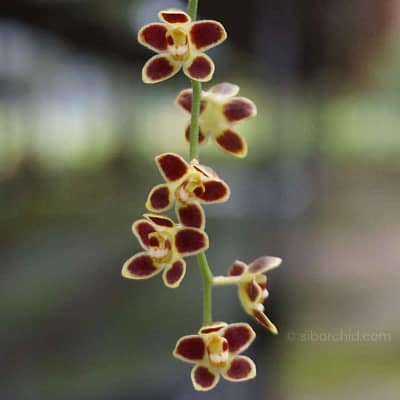
Dendrobium orchids are one of the largest and most diverse groups of orchids, boasting over 1,800 species that vary in size, shape, and habitat. Known for their exotic beauty, they are favored by both beginners and seasoned orchid enthusiasts for their ability to thrive in different environments and their stunning, long-lasting blooms. Whether you’re just starting with orchids or expanding your collection, here are 10 crucial things to know about Dendrobium orchids.

1. A Wide Range of Growth Habits
Dendrobium orchids exhibit a fascinating variety of growth habits, making them one of the most diverse orchid genera. Some Dendrobiums have upright, cane-like stems, while others feature pendulous, trailing growth. Some species, like Dendrobium nobile, have pseudobulbs that store water, helping them survive drier conditions. In contrast, species like Dendrobium kingianum do not have pseudobulbs, relying instead on their ability to retain moisture through their leaves and stems. This diversity allows Dendrobiums to adapt to a wide range of environments, from tropical forests to cooler highlands.
2. Spectacular Range of Colors and Flower Shapes
Dendrobium orchids are celebrated for their vibrant and diverse floral displays. Their flowers come in almost every color imaginable, from pristine whites and soft pinks to deep purples, vibrant yellows, and even shades of green. The size and shape of the flowers also vary widely—some species have dainty, delicate blooms, while others produce large, showy blossoms. Dendrobiums can flower singularly or in clusters, creating breathtaking floral arrangements. The diversity in flower shape, size, and color is a major reason why Dendrobium orchids are so popular among collectors.
3. Epiphytic Masters of Survival
The majority of Dendrobium orchids are epiphytic, meaning they grow on trees or other plants rather than in soil. In their natural habitats, they use tree trunks and branches as their growing platforms, absorbing moisture and nutrients from the air, rain, and organic debris that collects in their root zones. This epiphytic nature enables them to thrive in environments with good airflow, allowing their roots to dry out quickly between rain showers. Despite growing on other plants, they are not parasitic and do not harm their hosts.

4. Popular and Enduring Species
With so many Dendrobium species to choose from, it can be overwhelming for new growers. However, some species have become particularly popular due to their beauty and ease of cultivation:
• Dendrobium nobile: This species is famous for its large, fragrant blooms and hardy nature, making it ideal for home growers.
• Dendrobium bellatulum: Named for star Orchid is miniature Dendrobium is popular
• Dendrobium kingianum: Known for its miniature size and fragrant flowers, this is a favorite among collectors with limited space.
• Dendrobium loddigesii: A pendulous species known for its elegant, trailing growth and delicate blooms.
Each species brings its own charm and challenges, providing endless opportunities for orchid lovers to expand their collections.

5. Seasonal Blooms for Year-Round Beauty
Dendrobium orchids offer blooms across different seasons, providing year-round enjoyment for their caretakers. The blooming season largely depends on the species and growing conditions. For instance, Dendrobium nobile typically flowers in spring, while Dendrobium loddigesii might bloom in late winter or early spring. Some species flower in the summer or even during the autumn months, adding vibrant colors to your indoor or outdoor space when many other plants have stopped blooming.
6. Light Preferences
Dendrobiums generally prefer bright, indirect sunlight, making them perfect for placement near windows or in bright, shaded areas. While they thrive in abundant light, direct sunlight, especially during the hottest part of the day, can scorch their leaves. If the leaves start turning yellow, this might indicate too much light. Conversely, if they remain a dark green, they may not be getting enough light. Some species, particularly those native to higher elevations, can tolerate lower light levels, but they may produce fewer flowers under such conditions.
7. Watering and Humidity Needs
Watering requirements for Dendrobium orchids vary significantly depending on the species and environment in which they are grown. As a general rule, it’s important to let the potting medium dry out between waterings. Overwatering can lead to root rot, a common issue with many orchids. Dendrobiums from drier regions, such as Dendrobium kingianum, may require less frequent watering, while tropical species may appreciate higher humidity levels and more regular moisture. Always remember that good airflow around the roots is key to preventing fungal issues.

8. Choosing the Right Potting Medium
A well-draining potting medium is crucial for the health of Dendrobium orchids. In their natural environment, they are used to growing on tree bark with their roots exposed to air. A mix of coarse bark, perlite, and charcoal is commonly used for potting Dendrobiums, allowing for excellent drainage and airflow. This helps prevent water from sitting around the roots, which can lead to rot. Some growers also use sphagnum moss for added moisture retention, particularly in drier climates.
9. Feeding Your Dendrobium
To ensure robust growth and abundant blooms, regular fertilization is important during the growing season, typically spring and summer. Use a balanced orchid fertilizer, diluted to half strength, and apply it every two weeks. As the growing season tapers off in the fall, reduce feeding to once a month, and stop altogether in winter if the orchid enters dormancy. Avoid over-fertilizing, as this can lead to salt build-up in the potting medium, which may damage the roots.

10. Managing Pests and Diseases
Dendrobium orchids, like all plants, can fall victim to pests and diseases if not properly cared for. Common pests that can attack Dendrobiums include aphids, mealybugs, and scale insects, which can be removed manually or treated with insecticidal soap or neem oil. Good airflow, proper watering, and maintaining cleanliness in your growing area can help prevent fungal infections like root rot or powdery mildew. Inspect your plants regularly, and if any signs of trouble appear, address them quickly to ensure your orchids remain healthy and vibrant.
By understanding these 10 key aspects of Dendrobium orchids, you’ll be better prepared to care for them and enjoy their unique beauty. With proper care and attention, these orchids will reward you with striking blooms and fascinating growth for years to come.