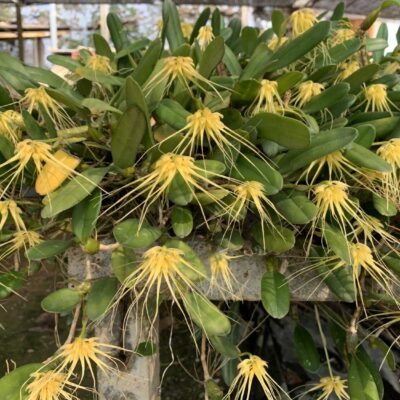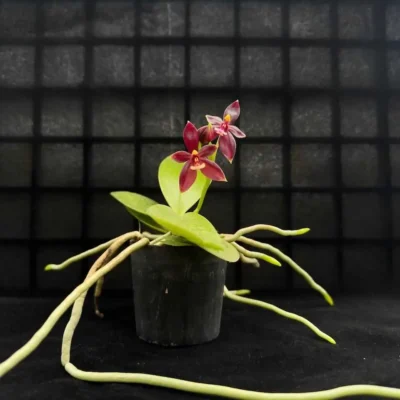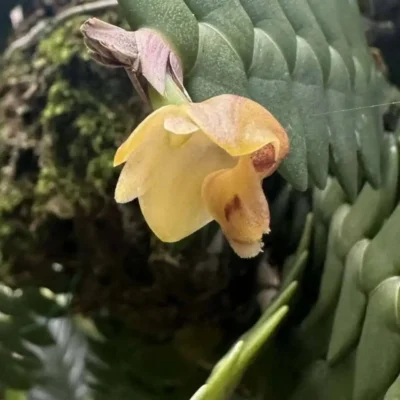
Selecting the ideal spot for your orchids and understanding their specific environmental needs is a crucial first step in successful orchid cultivation. Different orchid species have varying requirements, and the right location can significantly impact their growth, flowering, and overall health.
Key Factors in Choosing a Location
- Light:
- Intensity: Orchids require varying levels of light. Some prefer bright light, while others thrive in shadier conditions. Observing the leaves can provide clues: dark green leaves usually indicate insufficient light, while yellow leaves suggest excessive light.
- Duration: Most orchids need about 8-12 hours of light per day.
- Shading: If the natural light is too intense, you can use shade cloth to reduce its intensity.
- Temperature:
- Daytime: The optimal daytime temperature for many orchids is around 77-86°F (25-30°C).
- Nighttime: Nighttime temperatures should be 5-10°F (3-6°C) cooler than daytime temperatures to encourage flower bud formation.
- Temperature fluctuation: Temperature changes between day and night can stimulate blooming.
- Humidity:
- Relative humidity: Most orchids prefer a 60-80% relative humidity.
- Increasing humidity: You can increase humidity by placing water-filled trays nearby or using a humidifier.
- Air Circulation:
- Ventilation: Orchids need good air circulation to prevent diseases and pests.
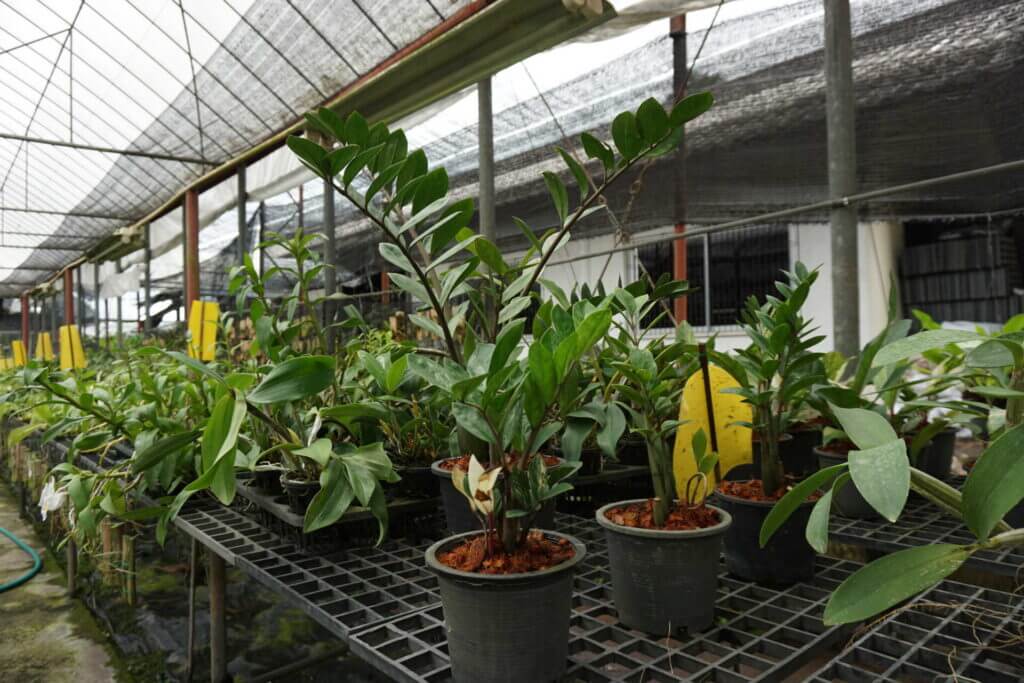
Matching Your Orchid to Your Environment
- Assess your environment: Consider the natural light, temperature, and humidity in your chosen location.
- Research orchid species: Learn about the specific environmental needs of different orchid varieties before purchasing.
- Consult an expert: If you’re unsure, seek advice from an orchid specialist.
Additional Orchid Planting Locations
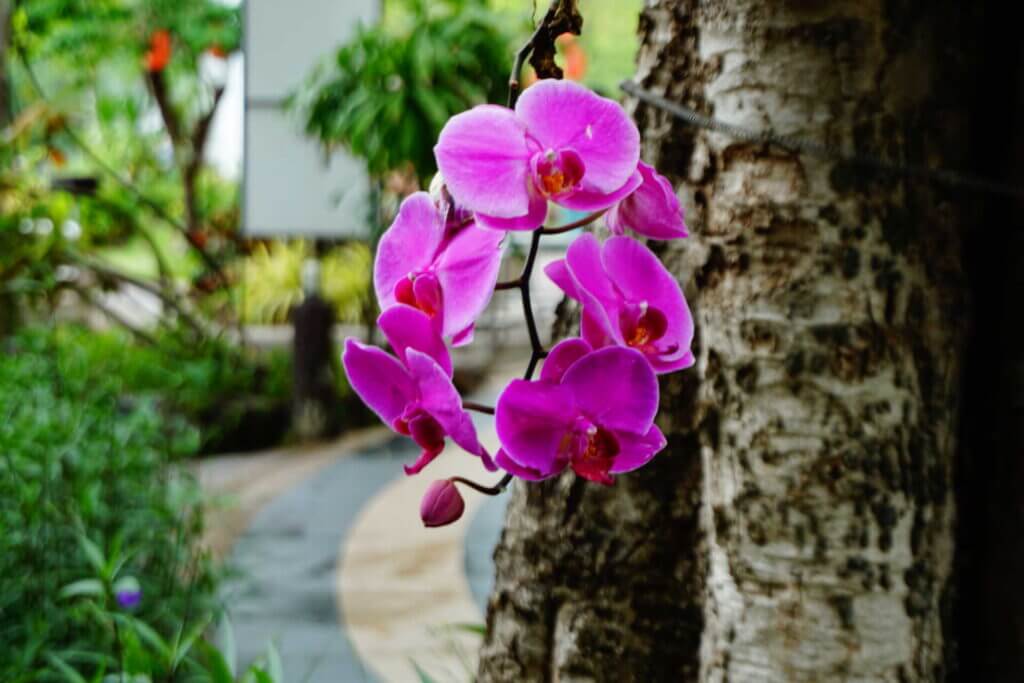
- Garden: If you have a garden, you can create a small corner for your orchids. You might use a large tree for shade or build a structure to hang your orchids.
- Under trees: Some orchid species prefer shade and high humidity. Planting them under large trees can be a good option.
- Indoors: You can decorate your home with orchids by choosing species that require low light. However, be mindful of humidity levels.
- Fences: If you have a sunny fence, you can install a trellis or shelf to hang your orchids.
Detailed Examples of Orchid Planting Locations
| Planting Location | Suitable Orchid Types | Advantages | Disadvantages |
|---|---|---|---|
| Balcony | Phalaenopsis, Vanda, Oncidium | Receives diffused sunlight, easy to control humidity | Temperature can fluctuate seasonally |
| Window | Dendrobium, Cattleya | Receives sufficient sunlight | May receive direct sunlight during the day |
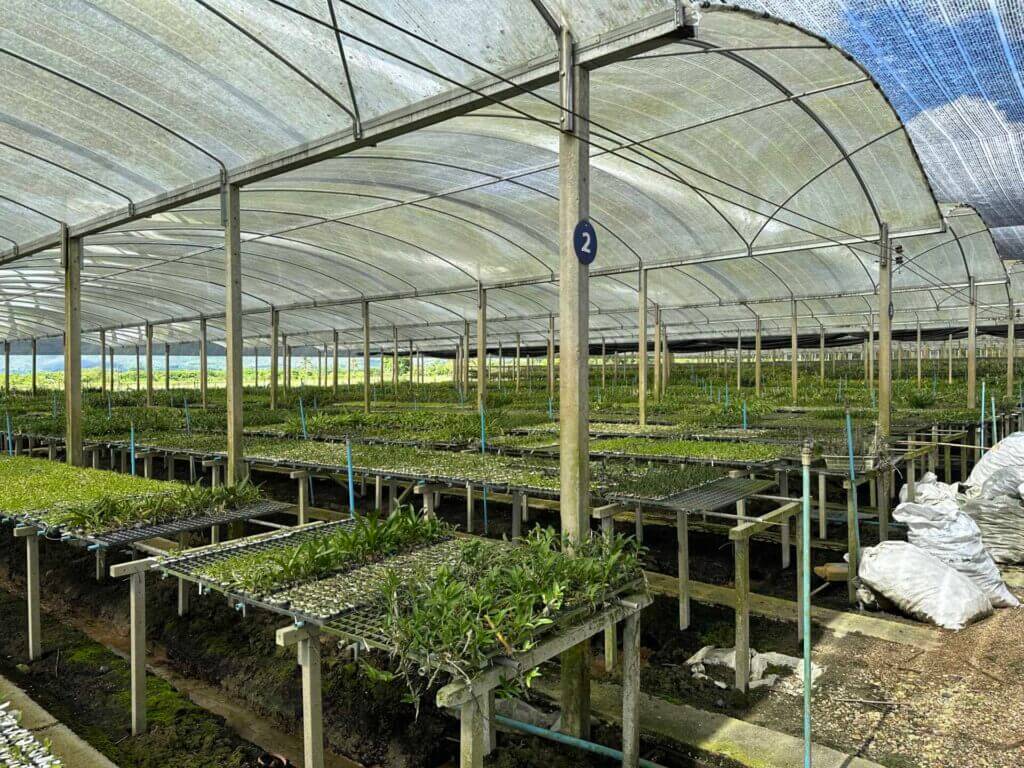
| Greenhouse | Receives diffused sunlight, easy to-control humidity | Full control over the environment | High investment |
| Garden | Ascocentrum, Vanda, | Natural environment | May have pests |
| Under trees | Ascocenda, Vanda | High humidity | May have fungi |
| Indoors | Phalaenopsis, Oncidium | Beautiful decoration | Dry air |
| Fences | Vanda, Ascocentrum,rhynchostylis | Space-saving | May receive excessive sunlight |
Other factors to consider when choosing a planting location:
- Building orientation: East and west-facing areas receive morning and evening sunlight, which is suitable for many orchid species.
- Building materials: Materials such as wood or concrete affect the temperature and humidity of the area.
- Wind: Wind helps to ventilate and reduce humidity, but strong winds can damage orchids.
Choosing the right location and understanding your orchid’s environmental needs is foundational to successful orchid care. Once you’ve selected the appropriate spot and chosen orchids that match your conditions, caring for your plants will be much easier, and you’ll be rewarded with beautiful blooms.
Additional Tips:
- Monitor your orchids regularly: Observe your plants for signs of stress or disease and adjust their environment as needed.
- Keep a record: Maintain a journal to track your orchid care, including watering schedules, fertilizing, and any pest or disease issues.