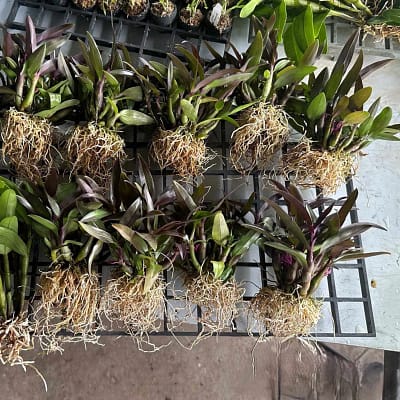
Orchids are known for their exotic beauty and intricate structures, captivating gardeners and plant enthusiasts alike. While many people associate orchids with tropical climates, some species are deciduous, requiring special care during the colder months. Understanding how to properly care for deciduous orchids in winter is crucial to ensure their health and longevity. Here’s what you need to know.
Understanding Deciduous Orchids

Deciduous orchids, such as the Bulbophyllum, Dendrobium, and Catasetum, differ from their evergreen counterparts in that they lose their leaves during certain seasons. This natural adaptation helps them survive periods of dormancy, usually coinciding with the winter season. Despite losing their foliage, these orchids remain alive and will re-emerge when conditions are favorable.
Preparing for Winter
1. Adjusting Light Conditions: As deciduous orchids lose their leaves, their light requirements change. They generally prefer bright, indirect sunlight. During winter, you may need to move them closer to a light source to compensate for the decreased natural sunlight.
2. Watering Practices: Watering needs should be adjusted as the plant enters dormancy. Overwatering can lead to root rot, a common issue for orchids in winter. Allow the potting medium to dry out slightly between waterings. It’s typically best to water once a month or when the medium feels dry to the touch.
3. Humidity Levels: Orchids thrive in humid environments, but during winter, indoor heating can dry out the air. Maintain humidity levels around 50-70% by using a humidity tray or a room humidifier. Regular misting can also help, but avoid excessive moisture on the plant itself.

Dormancy Care
During the dormancy period, it’s crucial to avoid fertilizing your deciduous orchids. Fertilization should cease until you notice new growth in the spring. This period of rest is essential for the health of your plant and will prepare it for flourishing growth in the warmer months.
Monitoring for Pests and Diseases
While deciduous orchids may be less active in winter, it’s still important to keep an eye out for pests such as mealybugs, spider mites, and aphids. Inspect plants regularly and use insecticidal soap or neem oil if any pests are detected.
Signs of New Growth
As winter progresses and days start becoming longer, watch for new growth, typically in late winter or early spring. This is a signal to resume regular care, including increased watering and fertilization.

Conclusion
Caring for deciduous orchids during winter may require some adjustments, but with the right approach, you can ensure that these beautiful plants emerge healthy and ready to thrive when the warm weather returns. By providing controlled light, adequate humidity, and proper watering, you’ll be well on your way to enjoying stunning blooms once again. Embrace the winter dormancy as a natural part of your orchid’s life cycle and look forward to the vibrant growth that spring promises!
Additional Tips
- Keep notes on your orchids’ behaviors; this can help tailor care to your specific environment.
- Join online orchid communities for additional tips and support from fellow enthusiasts.