If you’re a fan of exotic indoor plants or searching for something truly unique to add to your garden, Platycerium, commonly known as Staghorn Ferns, should be at the top of your list. These extraordinary ferns are unlike any other plant, with a dramatic appearance and fascinating growth habits that captivate collectors and nature enthusiasts worldwide.
What is a Platycerium?
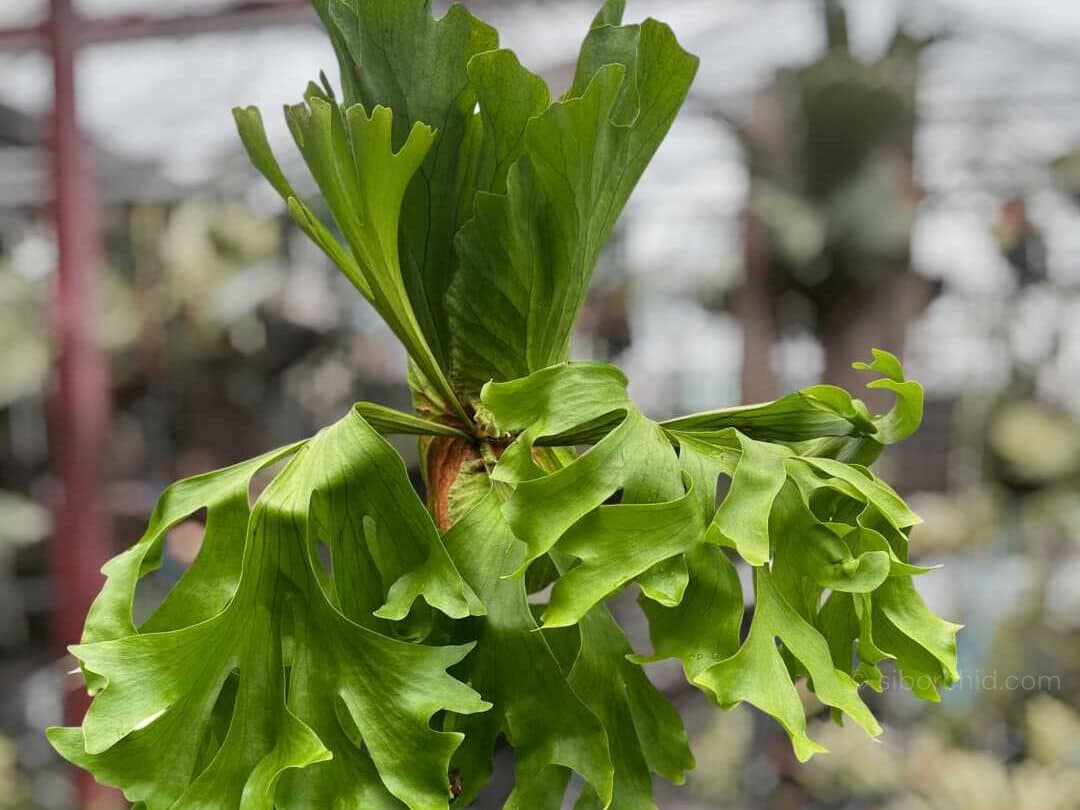
Platycerium is a genus of tropical epiphytic ferns belonging to the Polypodiaceae family. Native to Southeast Asia, Australia, Africa, and South America, these plants grow naturally on tree trunks and branches, absorbing moisture and nutrients from the air and rain.
The name “Platycerium” comes from Greek, meaning “broad horn,” referring to the plant’s distinctive antler-like fronds that resemble deer or elk antlers — a feature that makes them especially popular in home décor and botanical displays.
Key Features of Platycerium Ferns
- Two Types of Fronds
Platycerium plants produce two types of fronds:- Shield fronds (also called basal fronds): These grow flat against the surface and help anchor the plant.
- Fertile fronds: These grow outward like antlers and are responsible for reproduction through spores.
- Epiphytic Nature
Platycerium ferns do not need soil. Instead, they are usually mounted on wood or grown in hanging baskets, making them a stylish and space-saving option for vertical gardens or indoor walls. - Air-Purifying and Low-Maintenance
These ferns not only add tropical elegance to your space but also help purify the air. They require minimal watering and prefer indirect, filtered light.
Discover the 18 Recognized Platycerium Species: Stunning Staghorn Ferns for Every Space
Platycerium, commonly known as staghorn ferns, are among the most unique and ornamental epiphytic plants in the world. With shield-like base fronds and dramatic, antler-shaped foliage, these ferns are prized by plant collectors and interior plant stylists alike. There are 18 recognized Platycerium species, each with its own charm, shape, and growing preference. Let’s explore them:
1. Platycerium bifurcatum
One of the most popular and beginner-friendly staghorn ferns. P. bifurcatum thrives in a range of indoor environments and is ideal for mounting on wood or hanging baskets. Its antler-like fronds are soft, forked, and gracefully arching.
2. Platycerium superbum
Famous for its giant shield frond and cascading fertile fronds, this species is a statement plant. Native to Australia, P. superbum prefers bright filtered light and consistent humidity.
3. Platycerium veitchii
This silver-fronded staghorn fern is sun-tolerant and thrives in drier air, making it a great choice for bright, airy homes. It’s a favorite in xeric collections and desert-style displays.
4. Platycerium willinckii
Known for its soft, elegant form with wispy fronds and compact shields. P. willinckii is ideal for smaller vertical spaces and performs well in humid, shaded areas.
5. Platycerium ridleyi
A collector’s gem, P. ridleyi has distinctively lobed fertile fronds and compact shield growth. It’s sensitive to low humidity and requires careful care in terrarium-like conditions.

6. Platycerium alcicorne
Native to Madagascar, this fast-growing species features bright green, deeply divided fronds. It’s a vigorous grower in warm, humid climates and thrives in partial shade.
7. Platycerium andinum
The only Platycerium species from South America. Rare and slow-growing, P. andinum is highly sought after by fern enthusiasts and collectors worldwide.
8. Platycerium coronarium
This tropical staghorn fern produces long, pendant fertile fronds and massive shield fronds. P. coronarium needs warmth, humidity, and plenty of space to show its grandeur.
9. Platycerium elephantotis
Unlike other species, P. elephantotis has broad, flat fertile fronds that resemble elephant ears more than antlers. It prefers warm temperatures and indirect sunlight.
10. Platycerium grande
Similar in appearance to P. superbum, but native to the Philippines. With dramatic, cascading fronds, P. grande is a stunning species for large displays.
11. Platycerium stemaria
This distinctive species features branched fertile fronds and broad, flat shields. P. stemaria grows well in high-humidity environments with filtered light.
12. Platycerium wandae
Known as the giant of the genus, P. wandae can grow massive, lush fronds and towering shields. It’s an absolute showstopper for botanical gardens and collectors with space.
13. Platycerium hillii
Often confused with P. bifurcatum, P. hillii has rounder shield fronds and a slightly more compact growth. It’s suitable for beginners and does well in hanging displays.
14. Platycerium madagascariense
A rare species with rounded shields and intricate fertile fronds. P. madagascariense requires stable temperatures and warm, humid conditions to thrive.
15. Platycerium holttumii
Large and dramatic, this species is sometimes mistaken for P. superbum or P. grande. It requires plenty of vertical space and high humidity for best results.
16. Platycerium stemaria var. wandae
A vigorous variation of P. stemaria, this form grows even larger and is perfect for those who want a bold, showy specimen.
17. Platycerium diversifolium
An uncommon species with wavy, ornamental shield fronds. P. diversifolium adds unique texture to any fern collection and prefers moderate humidity.
18. Platycerium quadridichotomum
An extremely rare and rigid staghorn fern with deep lobes. This species is highly collectible and requires specific care to flourish.
How to Care for Platycerium Ferns (Staghorn Ferns): A Complete Guide for Beginners and Collectors
Platycerium ferns, commonly known as staghorn ferns, are striking epiphytes admired for their antler-shaped fronds and shield-like bases. Native to tropical and subtropical regions, these unique ferns grow on trees and rocks in the wild, absorbing moisture and nutrients from the air and rainfall.
Whether you’re a beginner or a collector of rare species, proper care is essential to keep your Platycerium healthy and thriving. Here’s a complete guide on how to care for staghorn ferns indoors or in your garden.
1. Choose the Right Mount or Pot
Platycerium ferns are epiphytes, meaning they naturally grow on other surfaces rather than in soil. They’re commonly mounted on wooden boards, tree trunks, hanging baskets, or even coconut husks.
Recommended Options:
- Wood Mount (cedar, cork, or teak)
- Hanging Basket with Sphagnum Moss
- Wire Frame with Organic Liner
Avoid regular pots with soil—Platyceriums need airflow around their roots.
2. Light Requirements
Staghorn ferns prefer bright, indirect light. Mimic the dappled sunlight they’d get beneath a forest canopy.
Best Light Conditions:
- East or north-facing window
- Filtered sunlight through sheer curtains
- Shaded greenhouse or patio
Avoid direct midday sun—it can scorch the fronds, especially for species like P. bifurcatum or P. willinckii.
3. Watering Your Platycerium Fern
Watering is often the trickiest part of Platycerium care. These ferns prefer to dry slightly between waterings but not to the point of dehydration.
Watering Tips:
- Mounted plants: Soak thoroughly once a week (more often in hot weather).
- Humidity lovers like P. ridleyi or P. madagascariense may need misting or daily hydration in dry climates.
- Use room temperature water.
- Allow excess water to drain completely.
Pro Tip: Let the plant’s shield fronds dry out before watering again. Brown shield fronds are normal and part of the fern’s natural cycle.
4. Humidity & Air Circulation
These tropical ferns thrive in moderate to high humidity—ideally 50–80%. Dry indoor air, especially in winter, can cause frond tip burn or slow growth.
To Increase Humidity:
- Mist the plant daily (avoid soggy buildup on shields)
- Use a pebble tray with water
- Place near a humidifier
Good airflow is equally important—avoid closed terrariums unless housing high-humidity species like P. ridleyi.
5. Fertilizing Staghorn Ferns
Feed your Platycerium regularly during the growing season (spring to fall). Use a balanced, water-soluble fertilizer at half strength once a month.
Recommended Fertilizers:
- 20-20-20 orchid fertilizer
- Fish emulsion or organic liquid feed
Avoid fertilizing during dormancy in winter.
6. Grooming and Maintenance
- Do not remove brown shield fronds—they protect the roots and store nutrients.
- Trim dead or dry fertile fronds to maintain appearance.
- Watch for pests like scale insects or mealybugs—treat with neem oil if needed.
7. Repotting or Remounting
Platyceriums grow slowly but may outgrow their mount after 2–3 years.
Signs It’s Time to Remount:
- Fronds overhang or sag dramatically
- Shields cover the whole mount surface
- Decreased drainage or water retention
Carefully lift and remount on a larger board with fresh moss or medium.
Final Tips for Healthy Platycerium Ferns
- Know your species: Some Platyceriums, like P. veitchii, tolerate sun and dry air. Others, like P. wandae or P. coronarium, need warmth and humidity.
- Be patient. These ferns grow slowly but reward you with stunning sculptural foliage.
- Join plant communities or fern groups for tips and species identification.