
The Beauty of Bulbophyllum: A Guide to This Unusual Orchid Genus
If you’re looking to expand your orchid collection with something truly exotic, Bulbophyllum orchids are a fascinating choice. Known for their bizarre yet captivating flowers and vast diversity, this genus is one of the largest in the orchid family—and perhaps the most intriguing.
In this guide, we’ll explore the unique beauty of Bulbophyllum, how to care for them, and why they’re a standout addition to any orchid enthusiast’s collection.
What Is Bulbophyllum?
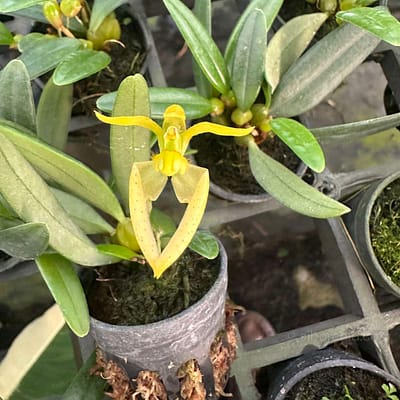
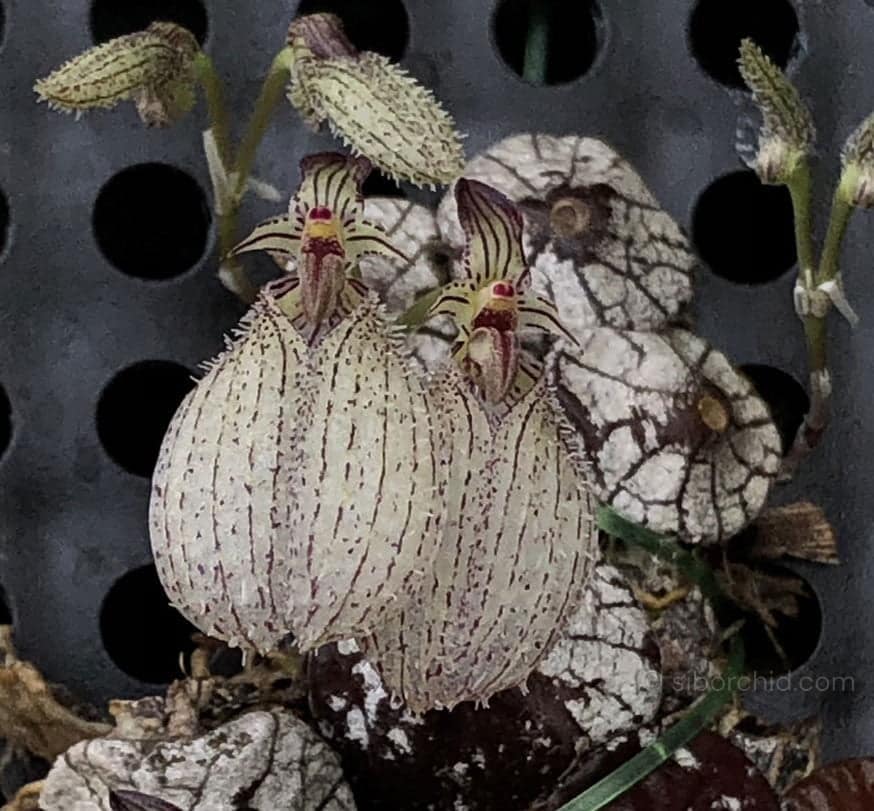

Bulbophyllum is one of the largest genera in the orchid world, with over 2,000 recognized species. These orchids are primarily found in tropical regions across Southeast Asia, Africa, and South America. They grow as epiphytes (on trees) or lithophytes (on rocks) and thrive in warm, humid environments.
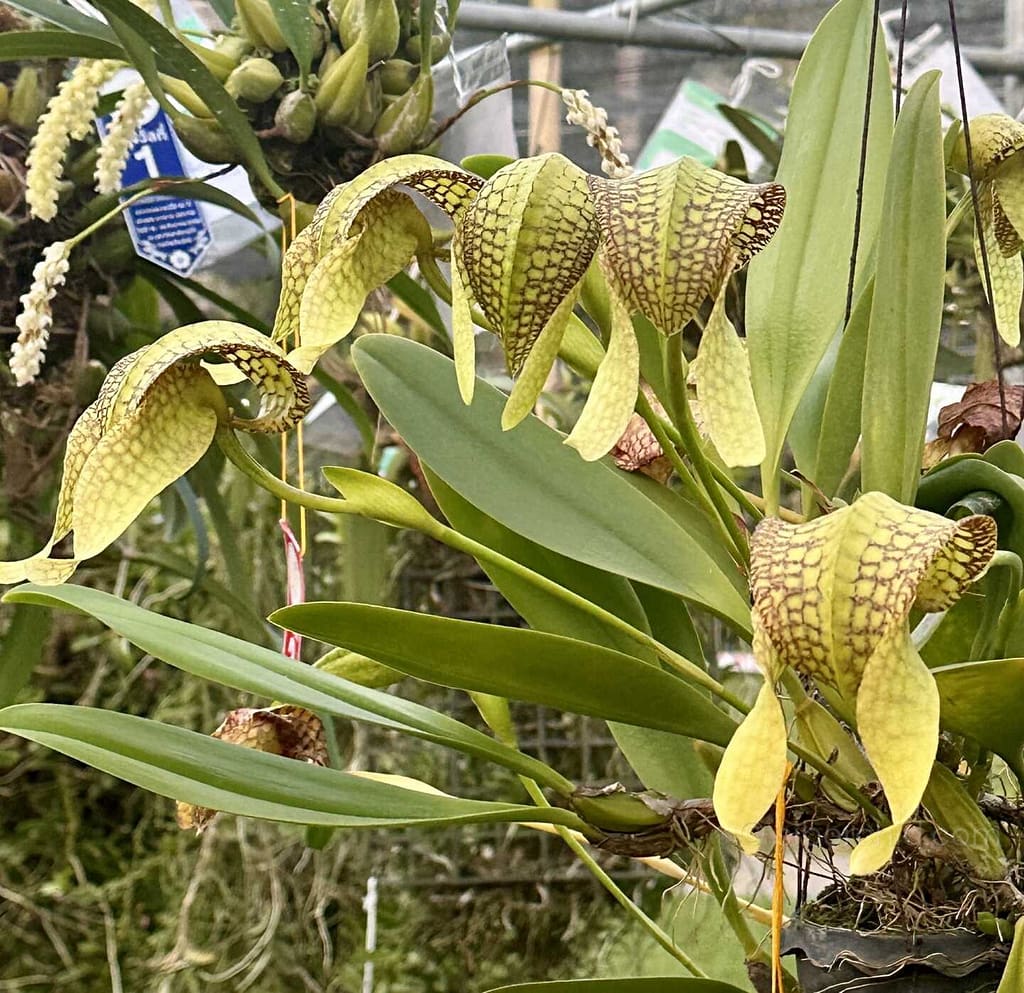
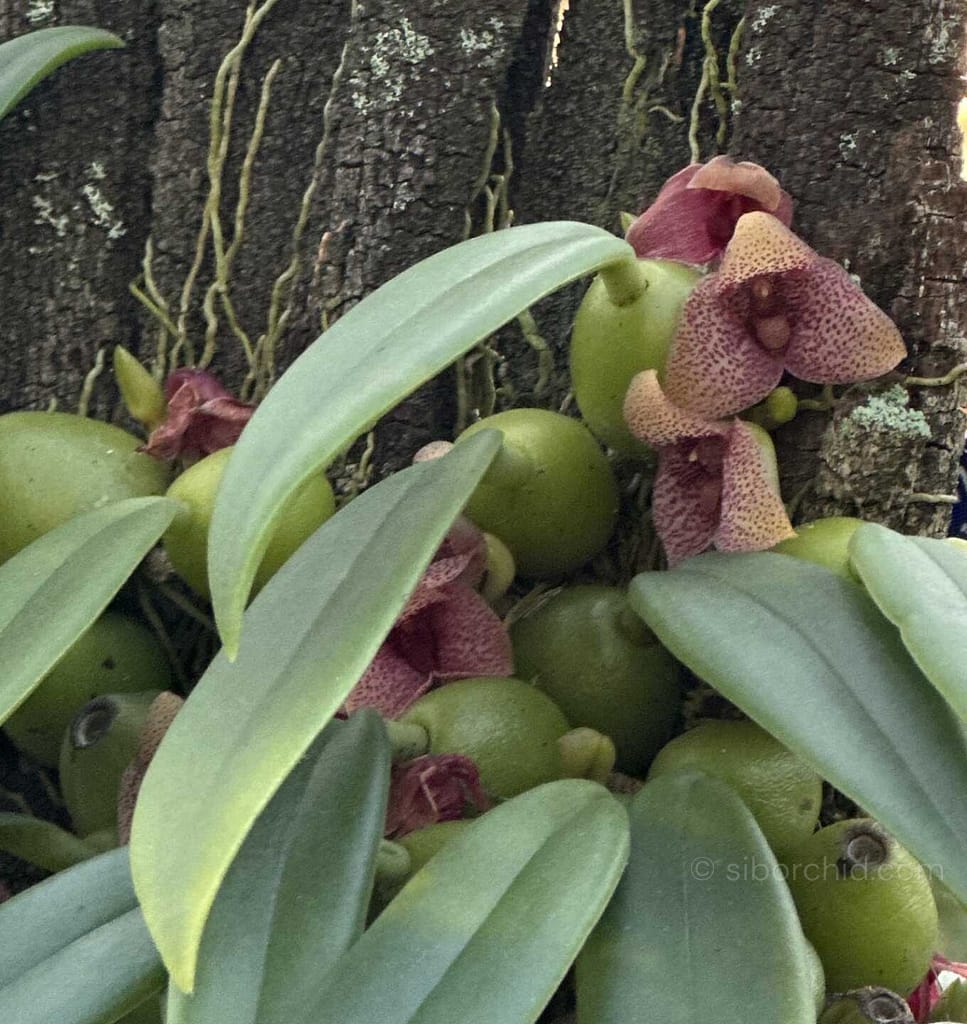
Unlike traditional orchids with large, symmetrical blooms, Bulbophyllum flowers are often small, intricate, and sometimes strange-looking. Their unique charm lies in their diversity: from fringed petals to glossy textures and even odd scents, each species has its own personality.
Why Choose Bulbophyllum Orchids?
- Unusual Beauty: Their eccentric shapes and colors make them true conversation pieces.
- Compact Growth: Many species remain small, making them perfect for limited space or terrariums.
- Collector’s Favorite: The vast variety encourages exploration and collecting.
- Tropical Resilience: Many thrive in warm, humid conditions similar to homes and greenhouses.
Popular Bulbophyllum Species
At SibOrchid.com, we specialize in both native Thai orchids and unique hybrids. Some of our favorite Bulbophyllum species include:
- Bulbophyllum disciflorum – A Trias species known for its tiny, disk-shaped flowers.
- Bulbophyllum lasiochilum alba – A rare white variant with soft, charming petals.
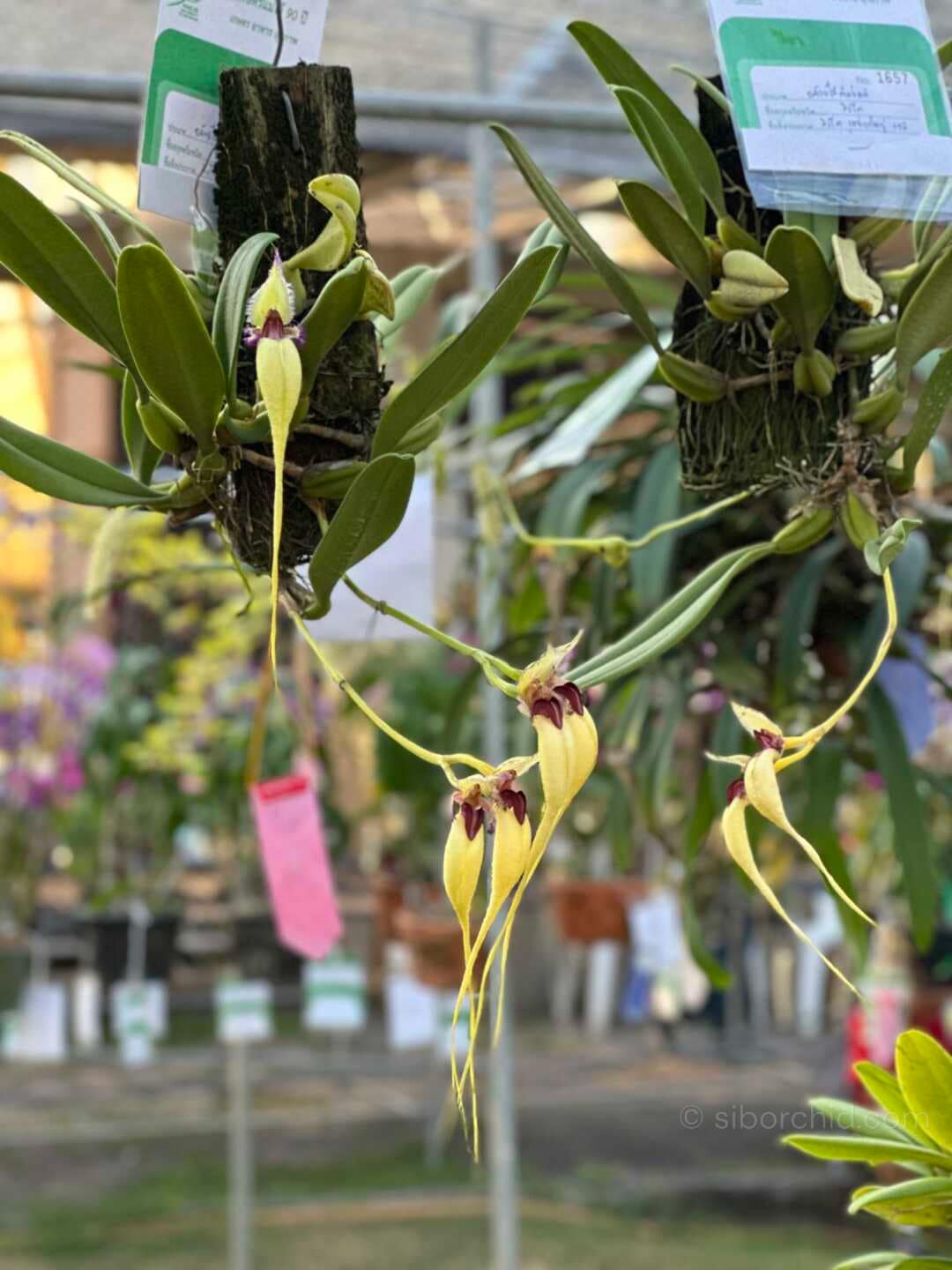
- Bulbophyllum longissimum – Famous for its long, dangling floral sepals that resemble elegant ribbons.
- Bulbophyllum leion (Trias mollis) – A miniature species with fuzzy, cushion-like flowers.
These orchids not only offer visual interest but are also perfect for seasoned growers looking for a challenge.
Bulbophyllum Care Tips
Light Requirements
Bulbophyllum orchids prefer bright, indirect light. In their native tropical habitats, they often grow under the forest canopy. Avoid direct sun exposure, which can scorch the leaves.
Tip: Place your Bulbophyllum near an east-facing window or under grow lights with a 50-70% shade level.
Humidity and Air Circulation
Most Bulbophyllum species love high humidity, ideally between 60–80%. Good air circulation is just as important to prevent fungal issues.
Tip: Use a humidifier or humidity tray, especially in dry indoor environments. Mounting on cork or tree fern can help replicate their natural epiphytic growth style.
💧 Watering Your Bulbophyllum Orchid
Bulbophyllum orchids have small root systems and thrive in moist environments. Unlike some other orchids, they do not like to dry out completely.
- Watering frequency: 2–3 times a week in summer; reduce slightly in winter.
- Water quality: Use rainwater, RO water, or filtered water for best results.
Tip: Ensure your potting medium (such as sphagnum moss or fine bark mix) stays moist but not soggy.
🌱 Potting and Repotting Tips
Bulbophyllum orchids do well in shallow pots, baskets, or mounted setups. Repotting every 1–2 years helps refresh the media and avoid root rot.
- Use a fine-grade orchid mix that retains moisture.
- Avoid deep pots — their roots like to spread horizontally.
Tip: Repot during active growth, usually in spring or early summer.
🌡️ Temperature Range for Bulbophyllum
Most species prefer intermediate to warm temperatures:
- Daytime: 22–30°C (72–86°F)
- Nighttime: 15–20°C (59–68°F)
Tip: Avoid sudden temperature drops and keep plants away from cold drafts or heat vents.
🌸 Fertilizing Bulbophyllum Orchids
Feed your Bulbophyllum regularly during the growing season:
- Use a balanced orchid fertilizer (e.g., 20-20-20) at ¼ to ½ strength every 2 weeks.
- Flush with plain water once a month to prevent salt buildup.
Tip: Reduce feeding frequency in winter or when plant growth slows.
🐛 Pest & Disease Prevention
Keep an eye out for aphids, scale, and spider mites. Fungal problems can also occur in low-ventilation setups.
Prevention Tips:
- Maintain airflow and avoid overcrowding.
- Use neem oil or insecticidal soap as needed.
- Always quarantine new plants before introducing them to your collection.
🌼 Flowering and Rest Periods
Bulbophyllum blooms vary widely — some smell sweet, while others are pollinated by flies! They may flower at different times depending on the species.
Tip: Some species have a rest period after flowering. Slightly reduce watering and fertilizing during this time.
| Care Aspect | Recommendation |
|---|---|
| Light | Bright, indirect light (50–70% shade) |
| Humidity | 60–80% with good air circulation |
| Watering | Keep moist, water 2–3/week in active growth |
| Potting Medium | Sphagnum moss, fine bark, or mounted setups |
| Temperature | 22–30°C daytime, 15–20°C nighttime |
| Fertilizer | Balanced orchid fertilizer every 2 weeks |
| Common Problems | Pests (aphids, mites), fungal rot |
Is Bulbophyllum Right for You?
If you’re a grower who appreciates the odd and extraordinary, Bulbophyllum will not disappoint. Their floral diversity, compact size, and tropical charm make them a treasure for collectors and botanical explorers alike.
At SibOrchid.com, we ship healthy Bulbophyllum orchids worldwide with careful packaging and phytosanitary certification. Whether you’re in the USA, Europe, or Asia, our orchids arrive safely and ready to grow.
If you’re a grower who appreciates the odd and extraordinary, Bulbophyllum will not disappoint. Their floral diversity, compact size, and tropical charm make them a trea
Shop Bulbophyllum Orchids Now
🌿 Ready to add a Bulbophyllum to your collection?
Browse our Bulbophyllum orchids at SibOrchid.com – new hybrids and rare species updated weekly!


