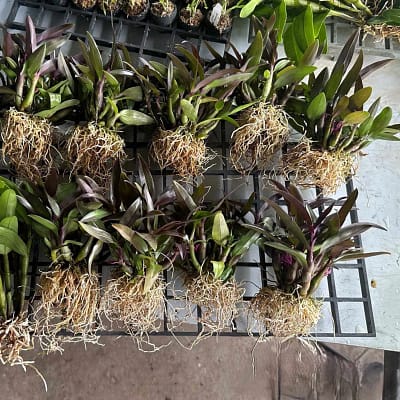
The Ultimate Guide To Summar Orchid Care
Welcome to the ultimate guide to summer orchid care! Orchids are stunning, delicate plants that can thrive and bloom beautifully with the right care. As temperatures rise and days get longer, it’s essential to adjust your orchid care routine to keep them healthy and vibrant. Here’s everything you need to know to ensure your orchids flourish during the summer months.
1. Understanding Orchid Needs in Summer
Orchids, like many plants, have specific needs during the summer. They typically experience a growth spurt due to the increased light and warmth. However, they also face challenges like higher temperatures and potential dehydration. Understanding these needs is crucial for effective summer care.
2. Optimal Lighting
In summer, orchids require bright, indirect light. Direct sunlight can be too intense and may scorch the leaves. Here are some tips to manage lighting:
- Location: Place your orchids in a spot where they receive plenty of bright, filtered light. East-facing windows are ideal as they provide morning sunlight, which is gentler.
- Shading: If your orchids are outdoors, consider using a shade cloth to protect them from the harsh midday sun.
3. Temperature and Humidity Control
Orchids thrive in warm temperatures but can suffer in extreme heat. The ideal temperature range for most orchids is between 65°F (18°C) at night and 85°F (29°C) during the day.
- Cooling: If the temperature exceeds 90°F (32°C), consider moving your orchids to a cooler spot or using fans to improve air circulation.
- Humidity: Orchids prefer humidity levels between 50-70%. Use a humidity tray or a humidifier to maintain the right level. Misting the plants in the morning can also help, but ensure the leaves dry out quickly to prevent fungal issues.

4. Watering Tips
Orchids need more frequent watering in summer due to higher evaporation rates.
- Frequency: Water your orchids once a week, or more often if they are drying out quickly. The key is to let the roots dry out slightly between watering.
- Method: Use room-temperature water and water the plant thoroughly, allowing excess water to drain out. Avoid letting the plant sit in water, as this can lead to root rot.
5. Feeding Your Orchids
During the growing season, orchids benefit from regular feeding.
- Fertilizer: Use a balanced orchid fertilizer (20-20-20) diluted to half-strength every two weeks. Alternatively, you can use a fertilizer specifically formulated for orchids.
- Application: Apply the fertilizer after watering to avoid burning the roots.
6. Repotting and Maintenance
Summer is an excellent time to repot orchids, especially if they are outgrowing their containers or the potting medium has broken down.
- Repotting: Choose a well-draining orchid mix and a pot with plenty of drainage holes. Gently remove the orchid from its old pot, trim any dead roots, and place it in the new pot with fresh mix.
- Pruning: Regularly remove dead or yellowing leaves and spent flower spikes to encourage healthy growth.

https://siborchid.com7. Pest and Disease Management
Summer can bring an increase in pests and diseases.
- Inspection: Regularly check your orchids for signs of pests like aphids, mealybugs, and spider mites. Treat infestations promptly with insecticidal soap or neem oil.
- Fungal Issues: Ensure good air circulation around your orchids and avoid overwatering to prevent fungal diseases. If you notice any signs of fungal infection, treat with a fungicide and adjust your watering routine.
8. Special Considerations for Different Orchid Types
Different orchid species may have specific care requirements.
- Phalaenopsis (Moth Orchids): These are the most common orchids and are relatively easy to care for. They prefer stable temperatures and moderate humidity.
- Cattleya: Known for their large, fragrant blooms, Cattleyas need more light than Phalaenopsis and slightly higher humidity.
- Dendrobium: These orchids have varied needs depending on the species, but most prefer bright light and less frequent watering.
Conclusion
With the right care, your orchids can thrive and bring vibrant beauty to your home all summer long. By understanding their needs and adjusting your care routine, you can ensure your orchids remain healthy and stunning. Happy growing!
For more orchid care tips and to explore our collection of beautiful orchids, visit siborchid.com.